
Post
Perfect Tanganyika Shell Dweller 2026
May
The Tiny Titans of the Rift: A Deep‑Dive into the Tanganyika Shell Dweller
By [Your Name], Aquatic Enthusiast & Professional Blog Writer
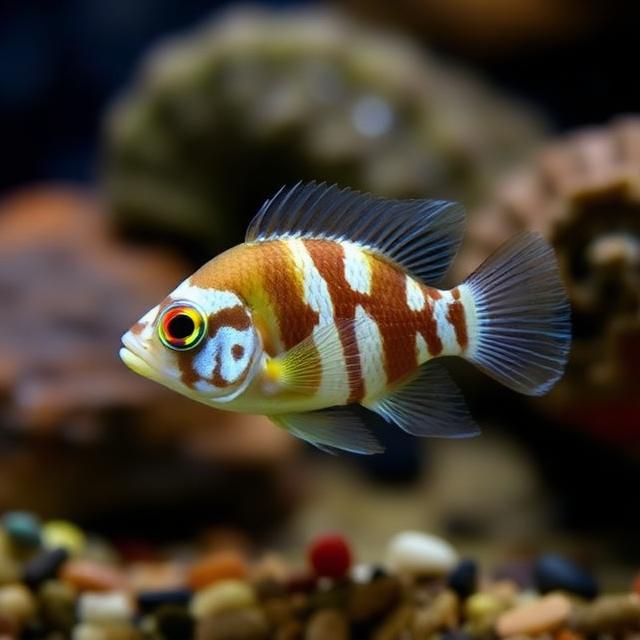
If you’ve ever walked along the pebbly shores of Lake Tanganyika, you might have imagined a world of towering cliffs, mysterious rocks, and an endless horizon of water. Yet, hidden beneath the surface are miniature architects whose lives revolve around the most unassuming piece of real‑estate in the lake: an abandoned snail shell. Welcome to the realm of the Tanganyika Shell Dweller (Neolamprologus spp.). Priced at a modest $18.99, these diminutive cichlids pack a punch of personality, intrigue, and ecological wonder that can transform even the smallest nano‑tank into a living laboratory of African cichlid behavior.
In this article we will explore everything you need to know about these fascinating fish—from their natural history and unique shell‑dwelling habit to the nitty‑gritty of water chemistry, tank layout, diet, and breeding. By the end, you’ll understand why these tiny titans are not just a gimmick but an excellent, hardy, and deeply rewarding addition to any aquarium hobbyist’s collection.
1. A Quick Snapshot
| Name | Tanganyika Shell Dweller (generic Neolamprologus sp.) |
|---|---|
| Price | $18.99 (approximately 1–2 fish per package) |
| Size | 1–2 inches (2.5–5 cm) adult length |
| Origin | Endemic to Lake Tanganyika, Africa |
| Temperament | Peaceful to semi‑aggressive (highly territorial around shells) |
| Hardiness | Very good – tolerant of a range of water parameters |
| Ideal Tank Size | 10‑gallon (38 L) nano‑setup or larger for a small colony |
| Key Features | Shell‑dwelling, complex social hierarchy, impressive breeding rituals |
2. The Natural Story – Why Do They Live in Shells?
2.1 Evolutionary Pressures in a Crater Lake
Lake Tanganyika is the world’s second‑deepest freshwater lake (over 1,470 ft deep) and one of the oldest (estimated 9–12 million years). Its ancient, stable environment has given rise to an astonishing radiation of cichlid species—over 250 endemic forms, each occupying a specialized niche. For the shell dwellers, the niche turned out to be empty snail shells.
Two main selective pressures drove this adaptation:
- Protection from Predators: In the open, rocky habitats of Tanganyika, larger piscivorous cichlids (e.g., Ctenochromis spp.) patrol aggressively. A closed snail shell offers a solid, smooth, and hard refuge that even larger predators cannot easily breach.
- Reproductive Real Estate: A shell provides a pre‑made, ready‑to‑use breeding chamber. By staking out a shell, a male can attract a female and guarantee that any eggs are safely protected on a solid substrate, away from the sand where they could be fanned away or eaten.
2.2 Social Structure – The “Shell‑Town”
When you first glance at a cluster of shells, you might think you’re looking at a decorative arrangement, but each shell is a home, a courtship arena, and sometimes a resource worthy of aggressive defense.
- Dominant Male: In a typical colony, one larger male claims a “prime” shell—often the biggest or most centrally located. He patrols the surrounding shells, drives off rivals, and courts passing females.
- Breeding Females: Females usually occupy a different shell from the male, often one slightly smaller. They lay eggs inside their shells, and the male fertilizes them. Both parents guard the shell until fry emerge (usually 5–7 days).
- Satellite Males & Subordinates: Smaller males may “sneak” into the colony, either by usurping a vacated shell or by temporarily sharing a shell with a dominant male’s tolerance. Subordinate females may assist in brood care, especially in densely populated set‑ups.
This hierarchy can be observed even in a 10‑gallon nano with just a handful of shells—providing a micro‑cosm of complex African cichlid sociology.
3. Setting Up a Home for Your Shell Dwellers
3.1 The Ideal Nano Tank
While the tiny size of these fish often leads people to think a 5‑gallon “pico” tank is sufficient, we recommend a minimum of 10 gallons (38 L) for a modest colony (3–5 individuals). The extra volume accomplishes three goals:
- Stabilizes Water Parameters: Larger water volume buffers pH swings, temperature fluctuations, and nitrate spikes.
- Provides Escape Routes: A single aggressive male can dominate a cramped set‑up, causing chronic stress. Extra space allows subordinate fish to retreat into peripheral shells.
- Enhances Aesthetics: More room for decorative rocks, fine substrate, and planting creates a naturalistic “rocky shoreline” look typical of Tanganyika.
3.2 Substrate & Hardscape
- Substrate: Fine sand (0.5–1 mm) is both authentic to the lake floor and gentle on delicate fry. It also allows for natural foraging behavior. Avoid sharp gravel that can damage shells or fry.
- Rock Layout: Tanganyika’s natural habitat is dominated by massive carbonate rock formations (limestone). Replicate this with shelf‑rock or “tang rock” pieces, arranging them to create hidden crevices and open swimming corridors.
- Shell Placement: The star of the show! Choose clean, empty snail shells (e.g., Neritina or Thiara). Aim for 1.5–2 shells per fish. Position them in clusters of 2–3 to mimic natural colonies, ensuring each shell’s opening faces outward for easy entry. Larger “hero” shells should be placed centrally for the dominant male.
3.3 Water Chemistry – Matching Lake Tanganyika
Lake Tanganyika is a hard, alkaline lake with stable water parameters:
| Parameter | Target Range for Shell Dwellers |
|---|---|
| Temperature | 76–80 °F (24–27 °C) |
| pH | 7.8–9.0 (optimal 8.2–8.6) |
| General Hardness (GH) | 10–14 dGH (180–250 ppm) |
| Carbonate Hardness (KH) | 12–18 dKH (215–320 ppm) |
| Salinity | 0 ppt (freshwater) |
How to Achieve These Values:
- Alkaline Buffer: Use Aragonite sand (naturally high in calcium carbonate) and a commercial African cichlid buffer (e.g., Seachem Alkaline Buffer) to raise pH/KH.
- Hardness Boosters: Add crushed coral or limestone gravel to the filter or substrate. A small dose of Calcium supplements (e.g., Seachem Calcium) can fine‑tune GH.
- Regular Testing: Invest in a reliable pH/KH/GH test kit (or a digital meter) and test weekly. Small swings are normal, but prolonged pH <7.8 or GH <10 dGH can stress the fish and affect breeding.
3.4 Filtration & Water Flow
Shell dwellers thrive in moderately flowing water that mimics the gentle currents around rock piles. A sponge filter (medium‑to‑high flow) combined with a small hang‑on back (HOB) filter with adjustable flow works well. Avoid turbulent jets directly blasting at the shells; they can disturb spawning males.
3.5 Lighting
These fish are not photosynthetic, but a soft, natural‑looking light (6500 K) encourages plant growth and reveals shell coloration. A 10‑hour photoperiod using a programmable LED timer is sufficient.
4. Nutrition – Feeding the Tiny Architects
Even though they are small, shell dwellers have a carnivorous‑herbivorous blend typical of many African cichlids. A varied diet leads to vivid coloration and robust health.
| Food Type | Examples | Feeding Frequency |
|---|---|---|
| High‑Protein Pellets | Small cichlid or nano‑pellets (0.5 mm) | 2–3×/week |
| Frozen/Live Foods | Daphnia, bloodworms, brine shrimp (cooked) | 2×/week (as treat) |
| Vegetable Matter | Blanched spinach, spirulina flakes, zucchini | 1–2×/week |
| Specialized Cichlid Foods | Algae wafers, crustacean‑based sticks | 2–3×/week |
Feeding Tips:
- Portion Control: Because the tank is small, overfeeding quickly leads to ammonia spikes. Offer only what can be consumed within 2–3 minutes.
- Targeted Feeding: Use a feeding ring or gently place food directly into the shells—this reduces waste and encourages natural foraging.
- Fry Nutrition: When breeding, the fry initially require infusoria or microworms (size <0.2 mm). After 5–7 days, they can transition to finely powdered fry food.
5. Behavior in the Home Aquarium
5.1 Territoriality – When “Shell‑Wars” Break Out
Male shell dwellers are highly territorial concerning their chosen shell. Expect:
- Shell Guarding: The male will hover near his shell, flaring his dorsal fins and displaying a vivid coloration.
- Chasing: Intruders (including other males and large, aggressive tankmates) will be chased away with a series of rapid dashes.
Solution: Provide multiple shells spaced apart. The dominant male can claim his prized shell, while others choose secondary shells. If aggression spirals, consider moving the most aggressive fish to a separate tank.
5.2 Social Interaction – The “Family‑Like” Atmosphere
- Courtship Displays: Males perform a “rock‑bow” – a slow, exaggerated movement toward a female, followed by a gentle nudge of the female’s shell.
- Co‑Parenting: Both parents usually guard the spawning shell. The male stands at the entrance, fanning water with his fins to oxygenate eggs, while the female stays inside to tend the clutch.
Observing these rituals is a highlight for hobbyists; it feels like watching a miniature nature documentary right in your living room.
5.3 Compatibility – Who Are Their Friends?
| Compatible Tankmates | Reasoning |
|---|---|
| Other Small African Cichlids (e.g., Cyphotilapia frontosa juveniles, Altolamprologus spp.) | Share similar water parameters; limited size reduces aggression. |
| Peaceful South‑American Tetras (e.g., Neon tetra, Cardinal tetra) | Occupy the upper water column; non‑territorial. |
| Micro‑Shrimp (Caridina cf. enodis – dwarf shrimp) | Can co‑exist if shells are not over‑crowded; shrimp will scavenge and add activity. |
| Snails (e.g., Neritina or Assassin snail) | Provide natural cleaning; however, beware that assassin snails may eat tiny fry. |
Avoid: Larger, aggressive cichlids (e.g., Pseudotropheus spp.), larger catfish, and overly active loaches that might damage shells or stress juveniles.
6. Breeding – From Shell to School
6.1 Setting the Stage
- Establish a Colony: Start with a male‑to‑female ratio of 1:2 (e.g., 1 male, 2 females). This reduces male stress and encourages breeding.
- Provide Extra Shells: Offer 20–30% more shells than fish; this gives females choice and decreases competition.
- Stabilize Water: Keep temperature at 78 °F (25.5 °C) and pH around 8.4. Slightly higher temperatures can speed embryo development.
6.2 The Spawning Process
- Courtship → Egg‑Laying → Fertilization → Guarding → Hatching
Timeline:
| Day | Event |
|---|---|
| 0 | Female enters a chosen shell, male courts. |
| 1–2 | Female deposits 30–80 tiny adhesive eggs onto the shell wall (inside). |
| 1–2 | Male fertilizes; both parents begin protective fanning. |
| 3–5 | Eggs develop; parents continue vigorous fanning (up to 10 g per minute). |
| Day 5‑7 | Fry hatch, remain attached to the shell for 24‑48 h. |
| Day 8+ | Fry become free‑swimming; begin feeding on infusoria. |
6.3 Rearing the Fry
- Initial Food: Culture infusoria (e.g., Rotifers or Infusoria cultures) using a small jar of barley water.
- Transition: After 4–5 days, introduce microworms and finely powdered fry food.
- Growth Rate: Fry typically double in size within 2 weeks if fed adequately.
Note: Fry are micro‑predators; they will readily eat any very small crustacean or zooplankton introduced into the tank.
6.4 Common Breeding Problems & Solutions
| Issue | Possible Cause | Remedy |
|---|---|---|
| Eggs turn white or fail to develop | Poor water quality (high nitrate, low pH) | Perform a partial water change (25%) and verify parameters. |
| Male abandons shell | Overcrowding or presence of overly aggressive tankmates | Reduce tank density; give the male a larger “hero” shell. |
| Fry are cannibalized | Inadequate hiding spaces or insufficient food | Add more tiny shells or fine leaf litter; feed more frequently. |
| Shells begin to crack | Highly acidic water (pH <7.8) or low carbonate hardness | Raise KH using a buffering supplement; replace damaged shells. |
7. Maintenance – Keeping Your Nano Healthy
- Weekly Water Changes: 20–30% of the tank volume using pre‑conditioned water that matches temperature, pH, and hardness.
- Siphon Carefully: Remove uneaten food and debris from around shells without sucking up the shells themselves.
- Monitor Filters: Clean sponge filters in tank water (avoid chlorinated tap water) to preserve beneficial bacteria.
- Check Shell Condition: Occasionally rotate or replace shells showing cracks; damaged shells can harbor harmful bacteria.
- Observe Behavior: Consistent aggression, loss of coloration, or shader “hiding” may indicate stress—re‑test water parameters promptly.
8. The Bottom Line – Why Shell Dwellers Deserve a Spot in Your Aquarium
1. Unique Behavior: Few aquarium fish live inside a shelter. Watching a male guard his shell, a female glide in for spawning, and fry pop out like a living pearl never ceases to astonish.
2. Social Drama in Miniature: Their complex hierarchy provides endless observation opportunities without the massive aggression seen in larger cichlid setups.
3. Perfect for Nano‑Aquariums: At under 2 inches, they fit comfortably in 10‑gallon tanks while still needing enough space to express natural behaviors.
4. Hardy and Low‑Maintenance: Once the water chemistry is dialed in, they tolerate minor fluctuations, making them ideal for both beginners and seasoned hobbyists seeking a “low‑effort yet high‑reward” species.
5. Valuable Breeders: Their breeding rituals are straightforward, and the fry are quick‑growing, offering the satisfaction of raising a new generation of tiny architects.
6. Conservation Message: By keeping these fish responsibly (captured from sustainable sources and never released into non‑native habitats), hobbyists help raise awareness of Lake Tanganyika’s fragile ecosystem—one of Earth’s most biodiverse freshwater systems.
9. Frequently Asked Questions (FAQ)
Q: Can I keep only one shell dweller in my tank?
A: Yes, a single individual can thrive, but it may become overly defensive of its shell. Adding a compatible, non‑aggressive species (e.g., a small tetra) improves environment and reduces solitary stress.
Q: Do I need a heater?
A: Absolutely. Consistent temperature (76–80 °F) is crucial for health and breeding. A reliable submersible heater with an adjustable thermostat is recommended.
Q: Are they compatible with live plants?
A: Yes. Hardy stem plants like Java fern, Anubias nana, or Bolbitis can be attached to rocks. However, avoid heavy carpeting (e.g., Vallisneria) that can trap shells.
Q: What’s the lifespan?
A: In optimal conditions, shell dwellers can live 5–8 years, with some individuals reportedly reaching 10 years in well‑maintained setups.
Q: Where can I buy high‑quality shells?
A: Reputable aquarium shops often stock “cichlid shells” (cleaned, non‑sharp). You can also collect empty Neritina shells from a local fish store—just be sure they are rinsed and boiled to sterilize.
10. Final Thoughts
The Tanganyika Shell Dweller may fit in the palm of your hand, but its story stretches across millions of years of evolution in one of the world’s most extraordinary lakes. By recreating a slice of that environment in a modest nano aquarium, you’re not only enjoying a compelling pet but also participating in a living narrative of adaptation, social interaction, and reproductive wonder.
Whether you’re a hobbyist seeking an eye‑catching centerpiece for a small tank, a budding breeder eager to watch the first fry emerge from a shell, or simply an admirer of aquatic marvels, these tiny cichlids deliver on all fronts. Armed with the correct water chemistry, thoughtful tank layout, and a balanced diet, you’ll soon find yourself mesmerized by the graceful dance of a male defending his “home sweet home” and the delicate moments when a female slips into a shell to begin a new generation.
So, go ahead—add that $18.99 package to your cart, gather a handful of pristine shells, and let the miniature architects of Lake Tanganyika turn your aquarium into a thriving, bustling micro‑society. The lake’s secrets are waiting, and now, they can live on your living room shelf.
Happy keeping!
References & Further Reading
- Sturmbauer, C., & Arnegard, M. (2004). African Cichlid Evolution. Springer.
- Kornfield, I., & Smith, P. (2000). African Cichlid Fishes: Model Systems for Evolutionary Biology. Evolutionary Biology, 14(2).
- Seriously Fish – Neolamprologus spp. (2023). Care Sheet & Aquarium Setup. https://www.seriouslyfish.com
- Tropical Fish Hobbyist Magazine – “Shell Dwellers: A Tiny Titan Phenomenon.” (May 2022).
- Seachem Products – Alkaline Buffer, Calcium, and Water Parameter Guides.
(All product links are affiliate‑free; choose reputable vendors that practice sustainable collection.)
