
Post
Clown Loach 509
Jun
Clown Loach 509 (Chromobotia macracanthus): The Ultimate Guide to 509 Aquarium Care
https://en.wikipedia.org/wiki/Fish
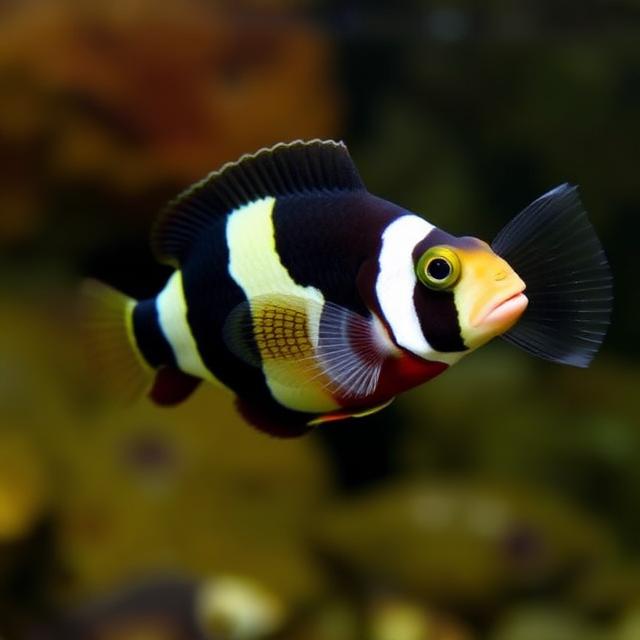
The Clown Loach (Chromobotia macracanthus) is arguably the most recognizable and beloved species within the freshwater loach family. With their vibrant orange bodies, striking jet-black vertical stripes, and endearing, inquisitive personalities, they have become a staple for intermediate-to-advanced aquarists.
If you are looking to introduce these “clowns of the aquarium” into your setup, it is vital to understand that they are not a simple “beginner” fish. They are long-lived, social, and physically demanding creatures that require precise care to thrive. This comprehensive guide details everything you need to know about keeping Clown Loaches happy, healthy, and vibrant in your home aquarium.
1. Natural History and Origin Clown Loach 509
Originating from the flowing river systems of Sumatra and Borneo in Indonesia, Clown Loaches are classified as semi-migratory fish. They inhabit large, fast-flowing rivers during the wet season and migrate into flooded forests and smaller tributaries during the dry season.
Understanding this background is essential for re-creating their environment. In the wild, they are accustomed to high levels of oxygen, clean water, and a complex network of submerged roots and leaf litter. They are bottom-dwellers, utilizing their downward-facing mouths and sensory barbels to sift through substrate for insects, crustaceans, and organic matter.
2. Anatomical Features and Temperament
The Clown Loach is a member of the Cobitidae family. One of their most fascinating and unique evolutionary features is the sub-ocular spine. Tucked beneath each eye is a sharp, retractable spine that the fish can extend when threatened. While this makes them excellent at defending themselves, it also makes them notorious for getting tangled in standard aquarium nets.
Behavioral Traits:
- Highly Social: Clown Loaches are strictly shoaling fish. They suffer from extreme stress and become shy or prone to disease if kept solitary. A minimum group of 5–6 is the absolute requirement.
- The “Dead” Pose: Do not be alarmed if you find your loach lying on its side on the substrate or wedged into a cave. This is a common resting behavior that often gives new owners a heart attack!
- Clicking Sounds: When excited or feeding, Clown Loaches produce a distinct “clicking” sound by grinding their pharyngeal teeth. This is a sign of a healthy, active fish.
3. Aquarium Requirements: The “509” Standard Clown Loach 509
Because Clown Loaches can grow to 12+ inches in the wild—and regularly reach 8–10 inches in captivity—they require substantial space.
Tank Size Clown Loach 509
While juveniles can start in smaller setups, you must plan for their adulthood. A tank with a footprint of at least 125 to 150 gallons is recommended for a mature group. Their growth rate is slow, but they are long-lived (often 15–20 years), so consider the long-term commitment.
Water Parameters
Stability is the key to success with these fish. Clown Loaches are sensitive to water quality and fluctuations.
- Temperature: 75°F – 85°F (24°C – 29°C). They prefer the warmer end of the spectrum. Clown Loach 509
- pH: Slightly acidic to neutral, between 6.0 and 7.5.
- Hardness: Soft to moderately hard water (5–12 dGH).
- Filtration: These fish produce a significant “bioload.” You need heavy-duty filtration. Canister filters are preferred, and they must provide high aeration and oxygenation to mimic their native river streams.
4. Setting Up the Ideal Environment Clown Loach 509
To replicate their natural habitat, focus on “aquascaping for comfort.”
- Substrate: Because they spend their lives on the bottom, the substrate must be smooth. Use fine-grain sand. Gravel is hazardous as it can abrade their delicate undersides and sensitive barbels, leading to infections.
- Hardscape: Provide an abundance of caves, driftwood, and rocks. Clown Loaches are “crevice dwellers” and feel most secure when they have tight spaces to wedge themselves into.
- Lighting: They prefer dim lighting. Use floating plants like Red Root Floaters or Amazon Frogbit to diffuse the light, or incorporate dense plantings of Anubias and Java Fern, which can withstand their occasional curiosity. Clown Loach 509
5. Nutrition and Feeding
Clown Loaches are omnivorous foragers. While they are famous for eating snails (which they do with gusto), they require a high-protein, varied diet to maintain their coloration and growth.
Recommended Diet: Clown Loach 509
- High-Quality Pellets: Use a premium sinking pellet as the foundation of the diet.
- Frozen Foods: Brine shrimp, bloodworms, and mysis shrimp are excellent for growth.
- Vegetables: They are fond of blanched zucchini, cucumber, and shelled peas, which help prevent constipation.
- Live Foods: Occasional treats like blackworms or daphnia keep them active. Clown Loach 509
Feeding Tip: Feed them at night or during twilight hours just before the tank lights go out to mimic their natural feeding cycle in the wild.
6. Health and Disease Management
Clown Loaches are often referred to as “the canary in the coal mine” for the freshwater hobby because they are incredibly susceptible to Ich (White Spot Disease). Because they lack traditional scales, many common medications can be toxic to them if dosed incorrectly.
Key Prevention Strategies:
- Quarantine: Never add a new Clown Loach directly to your main display. Quarantine them for at least 4 weeks.
- Water Quality: Ich usually outbreaks when water quality dips or temperature fluctuates. Keep your water parameters pristine with weekly 30–50% water changes.
- Temperature Management: Keep the tank temperature stable. Avoid “chilling” the water during water changes.
- Medication Awareness: If you must treat for Ich, use half-doses of medication, as their scaleless nature makes them sensitive to chemicals like copper or formalin.
7. Compatibility and Tank Mates
Clown Loaches are generally peaceful, making them great community fish. However, their size and activity level can overwhelm smaller, timid species.
- Ideal Tank Mates: Larger tetras (like Silver Dollars or Congo Tetras), Barbs (like Tinfoil Barbs), Gouramis, Angelfish, and other peaceful bottom-dwellers like Corydoras (if the tank is large enough).
- Avoid: Very small fish that could be viewed as a snack, or overly aggressive cichlids that might bully them.
8. Why Choose the Clown Loach?
The appeal of the Clown Loach goes beyond aesthetics. It is a fish with personality. Owners often report that their loaches recognize them, follow them along the glass, and participate in social behaviors that are rare in other freshwater species.
They represent a rewarding challenge. When you provide a large, clean, well-planted environment, you are rewarded with a group of fish that will live with you for nearly two decades, growing from tiny, striped juveniles into magnificent, deep-bodied specimens that command the attention of any room.
Summary Checklist for Owners:
- Group Size: Are you keeping at least 5?
- Tank Size: Do you have 125+ gallons for their lifetime?
- Substrate: Is it fine, soft sand?
- Filtration: Is your system oversized and well-oxygenated?
- Diet: Are you rotating between sinking pellets, frozen foods, and vegetation?
The Clown Loach is a commitment, not an impulse buy. If you are prepared to meet their environmental and social needs, they will undoubtedly become the centerpiece and the highlight of your aquatic collection. Happy fishkeeping!
https://ethgo.click/category/post
