
Post
Best Hillstream Loach 2026
May
The Hillstream Loach: The Alpine Acrobat That’ll Transform Your Aquarium
Price: $22.99
If you’ve ever stood on a mist‑kissed mountain stream and watched tiny fish cling to slick rocks as the water rushes past, you already know the magic of the Hillstream Loach. For aquarium hobbyists, this modest‑priced (just $22.99) creature brings that wild‑river drama into a tabletop ecosystem, offering a blend of fascinating biology, natural algae control, and a truly peaceful temperament. In this deep‑dive, we’ll explore everything you need to know about Hillstream Loaches—from their unique adaptations and care requirements to the ways they can elevate the health and aesthetics of your tank.
1. Meet the Hillstream Loach
1.1 Taxonomy & Natural Habitat
Hillstream Loaches belong to the family Balitoridae, a group of small, rheophilic (fast‑current loving) catfishes native to the mountainous streams of Southeast Asia—think the Mekong, Salween, and Chao Phraya river basins. Their natural world is a high‑altitude aquatic realm where water temperatures hover between 64–75 °F (18–24 °C), oxygen levels are exceptionally high, and the current can feel like a miniature white‑water rapid.
1.2 A Body Built for the Rapids
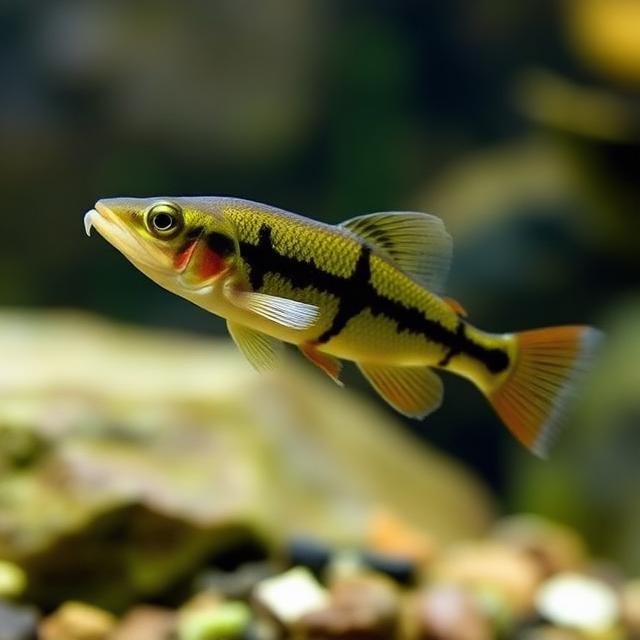
What truly sets Hillstream Loaches apart is their flattened, dorsoventrally compressed body. Imagine a fish that looks like a living rock—thin, low‑profile, and practically glued to the substrate. This design reduces drag, allowing the fish to stay sleek within the torrent. Coupled with a powerful suckermouth, they can adhere to stones, driftwood, and even aquarium glass with the same tenacity a gecko shows on a wall.
1.3 The Suckermouth: Nature’s Vacuum Cleaner
The Hillstream Loach’s mouth isn’t just a feeding tool; it’s a suction device. By creating a negative pressure, the loach can anchor itself even when the water is moving at several body lengths per second. This adaptation is the key to their primary diet: algae, biofilm, and microscopic periphyton that grow on surfaces in fast‑flowing water. In captivity, they become an efficient, low‑maintenance algae‑control ally.
2. Why Hillstream Loaches Deserve a Spot in Your Aquascape
| Key Benefit | How It Impacts Your Tank |
|---|---|
| Unique Flattened Body Shape | Adds visual intrigue and an “under‑rock” aesthetic that mimics natural streams. |
| Powerful Sucker Mouth | Keeps the fish securely positioned, minimizing stress and preventing unwanted wandering. |
| Excellent Algae Controller | Reduces the need for chemical or mechanical algae removal, letting the ecosystem self‑balance. |
| Peaceful Temperament | Makes them safe tank mates for most community fish (except aggressive, fin‑nipping species). |
| Fascinating Adaptation to High Flow | Encourages hobbyists to create dynamic water flow setups, improving overall tank health. |
In short, Hillstream Loaches are more than “just another bottom‑dweller.” They are living demonstrations of evolutionary engineering, and they bring practical benefits to any well‑planned aquascape.
3. Setting Up the Perfect Hillstream Loach Habitat
3.1 Tank Size & Shape
Because these fish are small—generally 2–3 inches (5–7 cm) in length—they don’t require a massive tank. A 20‑gal (75 L) minimum works nicely for a small group (3–5 individuals). Longer tanks (e.g., 30‑gal bow‑fronts) are especially advantageous because they allow you to create a “river run” with a clear upstream‑downstream flow.
3.2 Water Parameters
| Parameter | Ideal Range | Why It Matters |
|---|---|---|
| Temperature | 64–75 °F (18–24 °C) | Replicates mountain‑stream conditions; prevents stress. |
| pH | 6.5–7.5 | Slightly acidic to neutral environments support natural biofilm growth. |
| Hardness (GH) | 4–8 dGH | Soft to moderately hard water mimics their native streams. |
| Ammonia/Nitrite | 0 ppm | As with any fish, toxic levels are fatal. |
| Dissolved Oxygen | > 6 mg/L | Fast‑flowing water naturally holds more oxygen; loaches thrive on it. |
Invest in a reliable water test kit and a good quality heater (or chiller, depending on your room temperature) to keep these parameters stable.
3.3 Flow – The Heartbeat of Their Habitat
The most crucial aspect of Hillstream Loach care is water movement. Aim for a current of 2–3 body lengths per second, which translates to roughly 3–5 gph (gallons per hour) per inch of fish for larger tanks.
- Powerheads / Water Pumps: Position two powerheads at opposite ends of the tank to create a gentle, laminar flow that circulates continuously.
- Rocks & Driftwood: Arrange these as “flow baffles.” Not only do they create micro‑habitats (slow pockets for resting), but they also give the loaches plenty of surfaces to cling to.
- Flow Sensors: For the tech‑savvy, a flow sensor linked to a controller can maintain consistent water velocity even as bio‑film builds up.
3.4 Substrate & Décor
- Fine‑Gravel or Sand: A thin layer (1–2 cm) of fine substrate allows bio‑film to develop naturally while still being easy to clean.
- Live Rock & PVC Pipe: Use live river rock (cleaned and boiled) to simulate the natural stone structures. PVC pipes can be cut and softened (with hot water, then sanded) to make “crevices” where loaches pause.
- Plants: While many “hard‑flow” plants struggle, Anubias, Java fern, and Mosses (e.g., Java moss) cling to rocks and can withstand moderate currents.
3.5 Lighting
Because Hillstream Loaches graze on algae and bio‑film, a moderate lighting regime is ideal. Aim for 8–10 hours of subdued LED light (5000–7000 K). Too much light fuels excessive algae—making it harder for the loaches to keep up—and may also stress other fish.
4. Feeding: Let Nature Do the Work
4.1 Primary Diet – Algae & Bio‑Film
In a well‑established tank with ample flow and rock surfaces, Hillstream Loaches will graze continuously. The bio‑film that forms on rocks (a mix of algae, bacteria, and microorganisms) provides a near‑complete diet.
4.2 Supplemental Foods
Even the most diligent grazers benefit from a variety of foods, especially in newer setups where bio‑film is still forming. Offer:
| Food Type | How Often | Benefits |
|---|---|---|
| Blanched Veggies (zucchini, spinach, lettuce) | 2–3× per week | Adds fiber and plant nutrients. |
| Algae Wafers (high‑quality, low‑protein) | 1–2× per week | Helps boost algae intake when natural growth is sparse. |
| Live/ Frozen Foods (Daphnia, baby brine shrimp) | Occasionally (once a month) | Provides protein boost during breeding or growth phases. |
| Specialized Suckermouth Pellets | Occasionally | Some hobbyists formulate pellets that loaches can scrape off smooth surfaces. |
Feeding Tips:
- Place the foods on the same rocks or driftwood you use for grazing.
- Remove uneaten portions after 30 minutes to keep water quality high.
5. Compatibility: Peaceful Neighbors
Hillstream Loaches are non‑aggressive, non‑territorial, and bottom‑dwelling. They thrive in community tanks that respect their need for flow. Ideal tank mates include:
- Small, active tetras (e.g., Neon, Ember) that occupy mid‑water.
- Gouramis (medium‑sized, not overly aggressive).
- Rasboras and Danios (fast swimmers, enjoy current).
- Shrimps (e.g., Amano, Ghost) that also help clean bio‑film.
Avoid:
- Fin‑nippers (e.g., Tiger Barbs, some Cichlids) that could injure the loach’s delicate fins.
- Large, aggressive cichlids that may see the loach as prey.
- Other loaches that require drastically different flow regimes (e.g., Kuhli Loach prefers slower water).
6. Health & Maintenance
6.1 Common Issues & Prevention
| Issue | Symptoms | Prevention |
|---|---|---|
| Ich (White Spot Disease) | Tiny white spots on body, erratic swimming. | Quarantine new fish for 4 weeks; maintain stable temps. |
| Fin Rot | Frayed, discolored fins. | Keep water clean; avoid sharp edges in décor. |
| Swim Bladder Disorder | Inability to maintain posture; floating or sinking. | Avoid over‑feeding; provide gentle flow. |
| Fungal Infections | Cotton‑like growth on skin. | Ensure excellent filtration and avoid long periods of low flow. |
6.2 Routine Maintenance
- Weekly Water Change: 20–30% of tank volume. Use dechlorinated water matching temperature and pH.
- Siphon Rocks: Gently remove excess detritus, but avoid scraping bio‑film entirely—this is their food!
- Filter Cleaning: Maintain 30–40% flow rate; fine‑mesh filters prevent loss of small eggs (when breeding).
- Flow Check: Verify that pumps are still delivering the appropriate current; debris can clog intakes.
7. Breeding Hillstream Loaches – A Small Yet Rewarding Challenge
While not the most prolific breeders, Hillstream Loaches can reproduce in captivity under the right conditions.
7.1 Triggering Spawning
- Seasonal Temperature Fluctuation: Slightly lower the temperature by 2–3 °F (1–2 °C) for a week, then gradually raise it back.
- Increased Flow: Simulate monsoon‑like currents for a short period (8–10 gph).
- Abundant Food: Offer a binge of live foods (e.g., Daphnia) for several days.
7.2 Egg Deposition & Care
Females lay sticky eggs on the undersides of smooth rocks or on the glass. The male fertilizes them, then both parents typically guard the site for about 48 hours before losing interest.
- Egg Protection: If you wish to raise fry, gently remove the rock or glass section with eggs and place it in a separate rearing tank with gentle flow and fine sand.
- Fry Feeding: Start with infusoria or commercial microworms, transitioning to newly hatched brine shrimp after 5‑7 days.
7.3 Success Rate
Expect a modest clutch of 30–50 tiny eggs. With attentive care, up to 60% may hatch, providing a delightful opportunity to observe the life cycle of these alpine specialists.
8. Conservation & Ethical Sourcing
Hillstream Loaches, especially popular species like Beaufortia kweichowensis and Gastromyzon spp., are not considered globally threatened. However, their natural habitats—clear, fast‑flowing mountain streams—are vulnerable to deforestation, dam construction, and water pollution.
What You Can Do:
- Buy from Reputable Dealers who source fish from certified, sustainable aquaculture rather than wild‑catch operations.
- Support Habitat Conservation through organizations such as the World Wildlife Fund (WWF) or local NGOs working in Southeast Asia.
Choosing responsibly sourced loaches makes your hobby both enjoyable and environmentally conscious.
9. Frequently Asked Questions (FAQ)
Q1. How many Hillstream Loaches can I keep in a 20‑gallon tank?
A: A small school of 3–5 individuals works well. More than that may increase competition for prime cling‑spots, especially if flow is limited.
Q2. Can Hillstream Loaches live in a planted “nature‑spot” tank without strong current?
A: They will survive, but they won’t thrive. Without adequate flow, their sucker mouth loses purpose, stress levels rise, and they may become prone to disease.
Q3. Do they need a special diet if my tank is lightly stocked and algae growth is minimal?
A: Yes. Supplement with vegetable matter and algae wafers at least twice a week to prevent malnutrition.
Q4. Are they compatible with shrimp?
A: Absolutely. In fact, shrimp help clean leftover bio‑film, and the loaches don’t view them as food. Just avoid overly aggressive shrimp species like Red Cherry that may nip at the loach’s fins.
Q5. How long do Hillstream Loaches live?
A: With proper care, they can live 5–7 years, and some keepers have reported individuals reaching 8–9 years.
10. Bringing It All Together: Why the Hillstream Loach Is a Must‑Have
- A Living Lesson in Evolution – Their flattened bodies and suction mouths illustrate how nature solves the challenge of living in torrent‑filled habitats.
- Natural Algae Management – Over time, they can significantly reduce green film, cutting down on maintenance chores and chemical interventions.
- Peaceful Community Presence – Their calm demeanor makes them perfect for mixed‑species tanks where aggression is a concern.
- Affordability – At $22.99, they provide high‑impact visual and functional benefits without breaking the bank.
- Aesthetic Versatility – Whether you’re building a river‑run biotope, a rocky high‑land diorama, or a simple community tank with moderate flow, Hillstream Loaches adapt beautifully.
In short, adding Hillstream Loaches to your aquarium is like inviting a tiny, living piece of a mountain river into your living room. They bring motion, texture, and ecological balance in a package that’s both educational and decorative.
Quick Start Checklist
| ✔️ | Item | Notes |
|---|---|---|
| 1 | 20‑gal minimum tank (long or bow‑front ideal) | Provides ample flow zone |
| 2 | Powerheads / Water pumps | 2–3 gph per inch of fish |
| 3 | Fine substrate + clean river rocks | Encourage bio‑film growth |
| 4 | Temperature controller (64‑75 °F) | Keep stable |
| 5 | Test kit (pH, ammonia, nitrite, nitrate, GH) | Weekly checks |
| 6 | Algae wafers & blanched veggies | Supplemental feeding |
| 7 | Peaceful community mates (tetras, rasboras, shrimp) | No fin‑nippers |
| 8 | Certified supplier | Ethical sourcing, healthy stock |
| 9 | Quarantine tank (optional but recommended) | 4‑week observation |
| 10 | Patience | They love a well‑established bio‑film garden! |
11. Final Thoughts
The Hillstream Loach is more than just a decorative addition; it’s a functional keystone that can help balance your aquarium’s ecosystem, reduce algae, and provide endless fascination as it clings to rocks in what looks like a miniature cascade. Their unique body plan and peaceful nature make them a perfect bridge between hobbyist aesthetics and ecological stewardship.
If you’re ready to bring a slice of high‑altitude river life into your home, grab a set of Hillstream Loaches for just $22.99 each, set up a modest current, and watch them turn ordinary rocks into thriving bio‑film farms. In doing so, you’ll not only create a more dynamic and healthier tank but also join a global community of aquarists who appreciate the subtle beauty of these alpine acrobats.
Happy aquascaping, and may your streams flow ever‑clear!
Author’s Note: This post is intended for hobbyists with beginner to intermediate experience. If you’re completely new to aquariums, consider setting up a simple community tank first and gradually introducing flow elements before adding Hillstream Loaches. As always, research the specific species you plan to purchase and ensure your local water conditions can meet their needs.
For more in‑depth guides on flow dynamics, bio‑film management, and sustainable fish sourcing, stay tuned to our blog or subscribe to our monthly newsletter.
