
Post
German Blue Ram Cichlid 142
Jun
German Blue Ram Cichlid 142 (Mikrogeophagus ramirezi): The Jewel of the Tropical Aquarium
https://en.wikipedia.org/wiki/Fish
For enthusiasts of freshwater aquariums, few species command as much admiration and fascination as the German Blue Ram (Mikrogeophagus ramirezi). Renowned for their breathtaking coloration, high-intelligence, and engaging personality, these dwarf cichlids are often considered the “jewel” of the tropical hobby.
Whether you are a seasoned aquarist looking to master a more sensitive species or a mid-level hobbyist ready to level up your tank’s aesthetic, the German Blue Ram offers an unparalleled experience. This comprehensive guide explores everything you need to know about keeping these vibrant fish healthy, happy, and thriving.
1. Species Overview: A Vibrant History German Blue Ram Cichlid 142
Native to the warm, slow-moving waters of the Orinoco River basin in Venezuela and Colombia, the German Blue Ram has transitioned from a wild-caught rarity to one of the most popular captive-bred species globally.
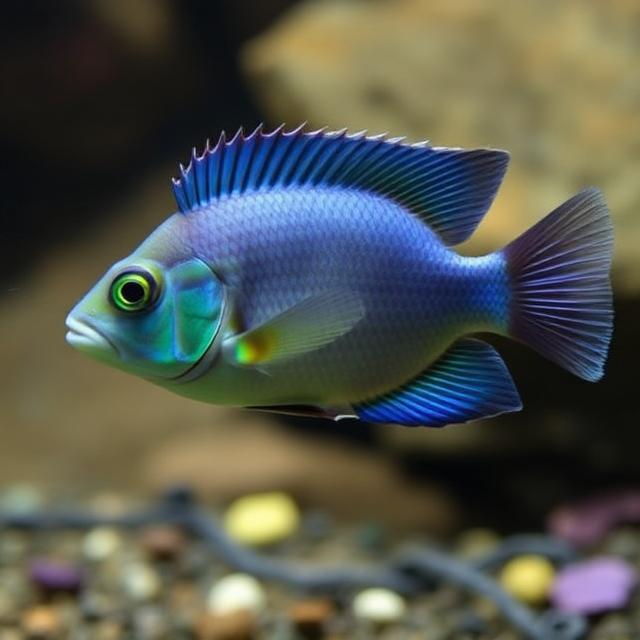
They are small, peaceful cichlids, typically reaching a maximum length of 2 to 2.5 inches. Their body is a canvas of iridescent blues, brilliant yellows, and deep black markings, highlighted by striking red eyes. The “German” moniker refers to the selective breeding programs in Europe that refined the species’ coloration and hardiness, making them slightly more adaptable to life in a home aquarium than their wild counterparts.
2. Habitat and Tank Requirements
To keep a German Blue Ram in top condition, one must replicate their natural environment. These fish are not “starter” fish; they require a stable, clean, and well-managed ecosystem. German Blue Ram Cichlid 142
The Ideal Setup:
- Tank Size: A minimum of 20 gallons is required for a pair. However, a 30-40 gallon tank is superior for maintaining stable water parameters and accommodating other tank mates.
- Substrate: Use fine-grained sand or smooth, rounded gravel. Rams enjoy sifting through the substrate, and sharp-edged substrates can damage their delicate mouthparts.
- Planting: They thrive in heavily planted tanks. Use species like Cryptocoryne, Amazon Swords, and Anubias. These plants provide both shade and territory markers.
- Decor: Driftwood and smooth rocks are essential. These create natural “caves” and territories where the fish can retreat if they feel stressed.
- Filtration: Because they are sensitive to nitrates and ammonia, high-quality filtration is non-negotiable. However, Rams dislike strong currents; use a spray bar or adjustable filter to keep water flow gentle.
3. Water Parameters: The Key to Success
The German Blue Ram is notorious for being “fussy” regarding water chemistry. If you keep them in poor-quality water, you will see a rapid decline in their color and health.
- Temperature: This is a tropical species that demands warmth. Keep the tank between 82°F and 86°F (28°C–30°C). Lower temperatures can suppress their immune system and make them susceptible to ich.
- pH Level: They prefer acidic to slightly acidic water, ideally between 6.0 and 7.0.
- Water Hardness: Keep it soft. A dGH range of 2–10 is optimal.
- Maintenance: Weekly water changes of 20–30% are mandatory. Always use a high-quality water conditioner to neutralize chlorine and chloramines, and ensure the new water matches the tank temperature exactly.
4. Diet and Nutrition
In the wild, German Blue Rams are omnivorous opportunistic feeders, grazing on tiny crustaceans, insect larvae, and organic plant matter. To maintain their neon-like sheen, they require a varied German Blue Ram Cichlid 142 and high-quality diet.
- High-Quality Pellets: Start with a high-protein, color-enhancing micro-pellet formulated for dwarf cichlids.
- Live/Frozen Foods: This is the secret to healthy Rams. Feed them frozen or live brine shrimp, bloodworms, daphnia, or mysis shrimp 3–4 times a week.
- Variety: Do not rely solely on dry flakes. The nutritional density of frozen foods is essential for breeding health and long-term vitality.
5. Behavior and Tank Mates
One of the reasons hobbyists gravitate toward the German Blue Ram is their temperament. Unlike other, more aggressive cichlids (like Oscars or Convicts), the GBR is mostly peaceful and shy. German Blue Ram Cichlid 142
Ideal Tank Mates:
- Schooling Fish: Small tetras (Neon, Cardinal, or Rummy Nose) are excellent companions as they occupy different levels of the water column.
- Bottom Dwellers: Corydoras catfish work well, provided the tank is large enough for everyone to have their own space.
- Avoid: Large, aggressive, or hyperactive fish that might intimidate the Rams. Keep them away from boisterous barbs or overly territorial bottom-dwellers.
Note on Social Behavior: Rams are best kept in male-female pairs. If you have a smaller aquarium, avoid keeping more than one pair, as they will fight over territory. In larger tanks (50+ gallons), you can keep multiple pairs, provided there is enough layout decor to break the line of sight.
6. Breeding: The Ultimate Aquarist Challenge
Breeding German Blue Rams is one of the most rewarding experiences in the hobby. If a pair forms a bond, you will witness fascinating parental behavior.
Setting the Stage: German Blue Ram Cichlid 142
- Conditioning: Increase the frequency of live food feedings.
- The Spawning Site: They prefer flat, smooth surfaces—a broad leaf or a clean rock.
- The Ritual: The male will perform complex dances to court the female. Once eggs are laid, both parents will fan them to ensure oxygen flow and clear away debris. German Blue Ram Cichlid 142
- Fry Rearing: Once the eggs hatch (usually within 60 hours), the parents will move the fry to prepared “pits” in the sand. This is a critical time; ensure you have baby brine shrimp (artemia) ready for the fry as soon as they become free-swimming.
7. Common Health Concerns
German Blue Rams are sensitive to environmental shifts. The most common issues include:
- Ich (White Spot Disease): Usually triggered by cold water or stress. Treatment involves raising the temperature and using approved aquatic medications. German Blue Ram Cichlid 142
- Bloat/Internal Parasites: Often caused by poor diet or lack of clean water. Keep the diet fiber-rich and the water pristine to prevent this.
- Stress: If you see your Ram hiding constantly or losing color, check your water parameters immediately. Ammonia spikes are usually the culprit.
8. Why Choose the German Blue Ram?
The decision to bring German Blue Rams into your home is a commitment to the art of aquarium keeping. They require attention to detail, a stable environment, and a passion for aquatic biology. In return, they offer a display of color and behavior that is simply unmatched by more common tropical fish. German Blue Ram Cichlid 142
By investing in a well-filtered, heated, and thoughtfully aquascaped tank, you provide these beautiful creatures with the life they deserve. When their colors “pop” and you witness the complex social interactions between a mated pair, you will understand why the German Blue Ram remains the undisputed king of the dwarf cichlid world. German Blue Ram Cichlid 142
Quick Summary Checklist for Success:
- Temp: 82°F–86°F (No fluctuations!)
- Water: Needs soft, acidic, pristine water. German Blue Ram Cichlid 142
- Diet: High-protein variety (frozen foods are a must).
- Environment: Densely planted with plenty of hiding spots.
- Compatibility: Best in peaceful community tanks.
Are you ready to welcome these magnificent fish into your home? At [Your Company Name], we support your passion by providing the best guidance and high-quality aquarium supplies. Explore our collection of dwarf cichlid care products and start your journey today! German Blue Ram Cichlid 142
https://ethgo.click/category/post
