
Post
Electric Blue Acara 274
Jun
Electric Blue Acara 274: The Ultimate Guide to the Hobby’s Favorite Cichlid
https://en.wikipedia.org/wiki/Fish
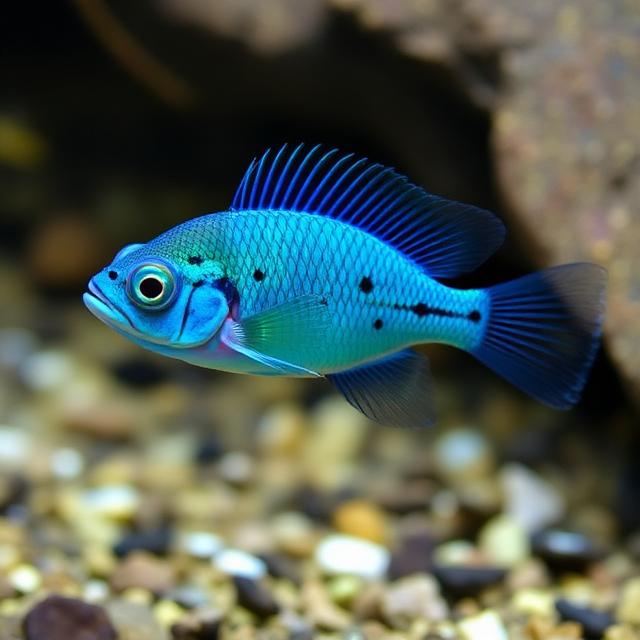
The Electric Blue Acara (Andinoacara pulcher) has rapidly ascended to the pinnacle of popularity within the tropical freshwater aquarium hobby. Known for its mesmerizing, metallic-blue scales and a temperament that defies the typical “aggressive cichlid” reputation, this fish is a masterpiece of both selective breeding and natural beauty.
Whether you are a seasoned aquarist looking to add a centerpiece species to your community tank or a dedicated cichlid enthusiast seeking a manageable yet stunning companion, the Electric Blue Acara (EBA) is a top-tier choice. This guide provides a deep dive into the husbandry, biology, and requirements of this quintessential freshwater gem.
1. Species Overview: An Introduction to the EBA Electric Blue Acara 274
The Electric Blue Acara is a color variant of the Blue Acara, a species native to the tropical river basins of South America, specifically Venezuela and Trinidad. While the wild-type Blue Acara features subtle blues and browns with distinct lateral stripes, the “Electric” variant is the result of careful line breeding to intensify the iridescence of its scales.
- Scientific Name: Andinoacara pulcher
- Family: Cichlidae
- Size: 5 to 7 inches
- Temperament: Semi-aggressive (Peaceful for a cichlid)
- Lifespan: 8–10 years with proper care
- Difficulty: Beginner to Intermediate
What sets the EBA apart from its more aggressive cousins, such as the Jack Dempsey or the Convict Cichlid, is its relatively “gentle” nature. They possess the iconic cichlid personality—intelligent, inquisitive, and attentive—without the destructive territoriality that often makes keeping cichlids a challenge.
2. Habitat Requirements: Setting the Stage Electric Blue Acara 274
To see your Electric Blue Acara thrive, you must replicate the conditions of their South American environment. They are robust fish, but they are sensitive to poor water quality.
Tank Size
Don’t be deceived by their juvenile size at the pet store. These fish grow rapidly. A single EBA requires a minimum of a 30-gallon tank, but if you intend to keep a pair or a small group, 55 to 75 gallons is the gold standard. Larger tanks allow for more stable water parameters and territory development, which significantly reduces stress. Electric Blue Acara 274
Aquascaping the EBA Environment
Electric Blue Acaras feel most secure when their environment provides structure.
- Substrate: Use fine sand or smooth gravel. They enjoy sifting through the substrate, and coarse, jagged gravel can injure their delicate gill filaments and mouthparts.
- Hardscape: Incorporate plenty of driftwood and smooth river stones. These provide natural hiding spots and mimic the root structures of their native riverbanks.
- Plants: EBAs are not typically heavy plant-destructors compared to other cichlids. Hardy, epiphytic plants like Anubias and Java Fern attached to wood work well. If you have a green thumb, Vallisneria provides beautiful, tall cover that makes the fish feel safe.
3. Water Parameters: The Foundation of Health
Consistency is the secret to keeping the vibrant, neon hue of these fish. Frequent fluctuations in water chemistry will lead to stress, which manifests as dull colors and susceptibility to disease.
- Temperature: 72°F – 82°F (22°C – 28°C). These are tropical fish that favor warmer water for metabolic health.
- pH Level: 6.5 – 7.5. They prefer neutral to slightly soft water but are generally adaptable to stable aquarium conditions. Electric Blue Acara 274
- Water Hardness (dGH): 6 – 20 dGH.
- Filtration: Because cichlids are “messy eaters,” high-quality filtration is non-negotiable. Aim for a filter that turns over at least 5–8 times the volume of your tank per hour. Canister filters are often preferred for their ability to handle large biological loads.
4. Diet and Nutrition: Feeding for Color
The “Electric” part of their name is heavily dependent on diet. While they are resilient eaters, feeding them high-quality foods will result in deeper, more vibrant blue coloration.
- Omnivorous Diet: They are natural omnivores. They thrive on a combination of high-quality cichlid pellets or flakes as a staple.
- Protein Boosts: Supplement their diet with frozen or live foods, such as brine shrimp, Mysis shrimp, bloodworms (sparingly), and daphnia.
- Greens: Do not forget the vegetable matter. Blanched spinach, zucchini, or algae wafers provide necessary fiber for digestive health. Electric Blue Acara 274
- Feeding Schedule: Feed them 1–2 times per day. Only provide what they can consume in under two minutes to prevent excess waste from rotting in the substrate.
5. Behavior and Tank Mates
The Electric Blue Acara is widely considered one of the “community cichlids.” However, keep in mind they are still cichlids.
Ideal Tank Mates
They pair well with other fish that occupy different zones of the aquarium or possess a similar size/temperament:
- Schooling Fish: Large tetras (like Silver Dollars or larger Characins) and resilient barbs.
- Bottom Dwellers: Corydoras catfish often get along well if the tank is large enough, though the Acara may occasionally investigate them.
- Other Cichlids: Keepers often successfully house them with Severums or Festivums.
Avoid: Very small, nano-fish (like Neon Tetras) that might be viewed as a snack once the Acara reaches full maturity. Also, avoid extremely aggressive, territorial cichlids like Oscars or large Central American species that will bully the EBA.
6. Breeding the Electric Blue Acara
One of the most rewarding aspects of keeping EBAs is witnessing their complex breeding behavior. They are substrate spawners, meaning they will clean off a flat rock or piece of slate to lay their eggs.
- Pairing: It is difficult to sex juveniles. The best way to get a pair is to raise a group of 5–6 youngsters together and allow them to choose their own partners naturally. Electric Blue Acara 274
- The Ritual: You will see a change in behavior: the pair will begin “lip-locking” and cleaning a specific site. The female will deposit eggs, and the male will follow to fertilize them.
- Parenting: Unlike many fish that eat their fry, EBA parents are famously attentive. They will protect the eggs and the wigglers with fierce dedication, often moving them between pits in the sand until they are free-swimming. Electric Blue Acara 274
7. Health and Common Issues
Electric Blue Acaras are hardy, but they are not immune to common ailments.
- Ich (White Spot Disease): Often caused by cold-water shocks or stress. If you see white spots, raise the temperature slightly and treat with an aquarium-safe medication.
- Hole-in-the-Head (HITH): Usually linked to poor water quality, nutritional deficiencies, or over-filtration with carbon. Keeping your nitrates below 20ppm through weekly water changes is your best defense against this.
- Bloat: A result of poor diet. Ensure they have enough fiber and a varied diet to prevent digestive blockages. Electric Blue Acara 274
8. Why Choose the Electric Blue Acara?
When you look at the Electric Blue Acara, you aren’t just looking at a fish—you are looking at the result of a perfect harmony between human stewardship and evolutionary beauty.
They provide the “big fish” energy of a cichlid with the beauty of a saltwater reef fish, all while fitting comfortably into a standard home aquarium. They recognize their owners, react to movement outside the glass, and demonstrate complex social structures that make them endlessly fascinating to observe.
Final Tips for Success:
- Weekly Maintenance: Never skip the 25-30% weekly water change.
- Observe: Watch their social interactions to ensure no single fish is being ostracized.
- Quality Food: Spend the extra money on high-quality color-enhancing pellets; it pays for itself in the vibrant blues of your fish.
Whether you are starting your first tank or adding to your collection, the Electric Blue Acara promises years of rewards. By maintaining high water standards and providing a well-structured environment, you will enjoy a centerpiece fish that remains a talking point in your home for years to come. Electric Blue Acara 274
Are you ready to bring home your own Electric Blue Acara? Ensure your cycle is complete, your tank is decorated, and prepare to welcome one of the most charismatic inhabitants of the freshwater world into your hobby. Electric Blue Acara 274
https://ethgo.click/category/post
