
Post
Best Arapaima Fish 2026
May
The Arapaium of the Aquarium World: A Deep‑Dive into the “Living Fossil” for Hobbyists Who Dream Big
Published on May 12 2026 | By [Your Name], Senior Aquatic‑Life Writer
Best Arapaima Fish 2026. When you think of freshwater fish that command attention, most hobbyists immediately picture bright neon tetras, graceful angelfish, or the charismatic cichlid. Rarely do we hear the thunderous roar of a creature that looks as if it stepped out of a prehistoric river and into your living room. Yet there is one fish that does exactly that – the Arapaima (also known as Arapaima gigas or simply “the Giant Amazonian Bichir”).
If you’ve ever pictured an aquarium that could rival a small lake, or if you’ve simply wanted a conversation piece that actually lives for a decade or more, the Arapaima might just be the ultimate, albeit demanding, centerpiece. Priced at $249.99, this massive freshwater marvel promises a blend of raw power, ancient mystique, and impressive growth potential. In this post, we’ll unpack everything you need to know before you consider adding an Arapaima to your collection, from the biology that makes it a “living fossil” to the practicalities of housing, feeding, and long‑term care.
Note: Because of its size and predatory nature, the Arapaima is not for the casual or first‑time aquarist. Think of this guide as a roadmap for serious hobbyists who are prepared to invest time, space, and resources into creating a truly spectacular aquatic environment.
1. Meet the Giant: A Quick Biological Overview
| Feature | Details |
|---|---|
| Scientific name | Arapaima gigas |
| Common names | Arapaima, Paiche, Pirarucu (in Brazil) |
| Native range | Amazon River basin, including tributaries in Brazil, Peru, Colombia, and Bolivia |
| Maximum recorded length | Up to 15 ft (4.6 m) in the wild* |
| Typical captive size | 4–6 ft (1.2–1.8 m) for most hobbyist‑kept individuals |
| Lifespan | 15–20 years (or more) with proper care |
| Diet | Carnivorous – primarily fish, crustaceans, and occasional insects |
| Conservation status | Near‑threatened in the wild (IUCN) – captive breeding programs are encouraged |
| Price (2026) | $249.99 (average retail price for a juvenile or small adult) |
* Wild specimens can exceed 15 ft, but such behemoths are extraordinarily rare and typically caught for food.
What Makes the Arapaima a “Living Fossil”?
The Arapaima belongs to the family Arapaimidae, a lineage that dates back more than 150 million years – well before the age of dinosaurs. Its armored, torpedo‑shaped body, massive scales, and jaw structure bear a striking resemblance to ancient ray‑finned fishes that survived the Cretaceous–Paleogene extinction event. Unlike most modern freshwater fish, the Arapaima has retained:
- Electro‑receptive organs: Specialized cells in its lower jaw detect electrical fields generated by prey—an adaptation used by some primitive fish species.
- A powerful, gill‑breathing system: Though primarily a water‑breather, the Arapaima can gulp atmospheric air at the surface, allowing it to survive in oxygen‑poor waters.
- Robust, sub‑terminal mouth: Perfectly suited for ambush predation, this mouth can generate a suction force strong enough to draw in sizeable prey.
These traits combine to give the Arapaima a demeanor that feels more like a miniature crocodile than a typical aquarium fish—an allure that fuels the fascination of seasoned hobbyists worldwide.
2. Why the Arapaima Deserves a Spot in the “Big‑Tank” Hall of Fame
2.1 One of the Largest Freshwater Species
In the realm of home aquaria, size matters. A 50‑gallon tank can host a small school of neon tetras comfortably, but it’s a far cry from the cavernous spaces required for a truly impressive animal. Even a mature Arapaima will outgrow a traditional aquarium within months, demanding a minimum of 500 gallons (approximately 2,000 L) for a juvenile, and 2,000+ gallons once it reaches six feet. Think of a large indoor pond, a custom glass aquarium, or a heated outdoor water garden.
2.2 Prehistoric, Powerful Appearance
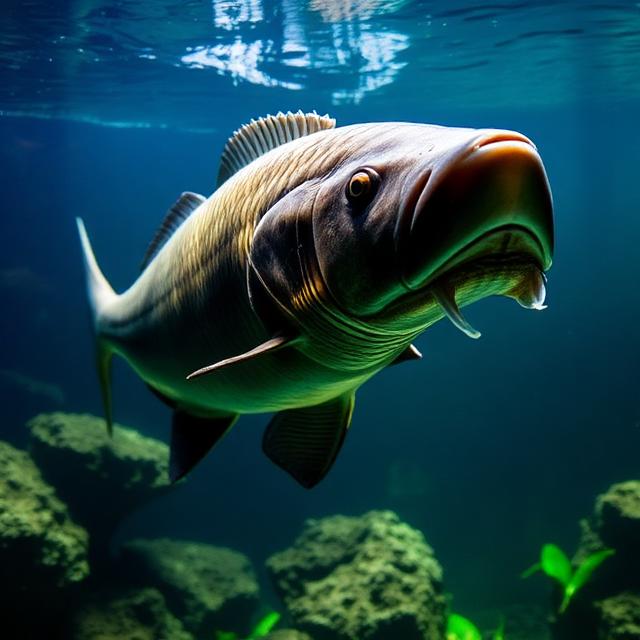
Picture a sleek, armored leviathan gliding through crystal‑clear water, its bony plates flashing in the light like medieval armor. That’s the visual impact of an Arapaima. Its scales are elongated, overlapping, and iridescent, producing a subtle rippling effect when the fish moves. The sheer presence of such a creature brings an almost cinematic quality to any space – perfect for public installations, high‑end home aquariums, or themed restaurant ponds.
2.3 Impressive Growth Potential
All good things come with growth. The Arapaima’s hobbyist‑grade specimens bulk up quickly, gaining 1 – 2 lb (0.5 – 0.9 kg) per month under optimal feeding regimes. This rapid growth is a double‑edged sword: it gives owners a tangible indicator that their tank conditions, diet, and water quality are on point, but it also raises the stakes for space management. The early years are crucial: neglect or poor water parameters can stunt growth, weaken the immune system, and even cause severe skeletal deformities.
3. The Cost Equation: Beyond the $249.99 Sticker Price
While the retail price of an Arapaima (averaging $249.99 in 2026) may seem modest compared with the colossal infrastructure required, it’s only the tip of the iceberg. Below is a realistic cost breakdown for a hobbyist preparing to house this behemoth for the first 12 months.
| Item | Approx. Cost (USD) | Why It Matters |
|---|---|---|
| Aquarium/Pond (minimum 500 gal glass tank) | $3,000 – $6,000 | Thick glass, reinforced frame, custom filtration, and a sturdily built stand or floor support are essential. |
| Advanced filtration system (canister + UV + bio‑media) | $1,200 – $2,500 | Arapaima produce massive waste; a high‑flow, high‑capacity filtration setup is non‑negotiable. |
| Heater(s) & temperature controller (72‑78 °F/22‑26 °C) | $300 – $600 | Consistent temperature ensures metabolic stability and reduces stress. |
| Water quality monitoring suite (pH, ammonia, nitrite, nitrate, oxygen probe) | $250 – $500 | Real‑time monitoring prevents toxic spikes that endanger a large predator. |
| Substrate (sand or fine gravel) + décor (large rocks, driftwood) | $250 – $450 | Provide hiding spots; maintain natural behavior and reduce stress. |
| Aeration & surface skimmer | $150 – $300 | Though Arapima can gulp air, strong surface agitation keeps dissolved O₂ at healthy levels. |
| Feeding supplies (live/frozen fish, shrimp, pellet feeder) | $200 – $400 annually | High‑protein diet; feeding 2‑3% of body weight per day. |
| Insurance or contingency fund | $500 – $1,000 | Accidental loss or health emergencies can be costly. |
| Transportation & acclimation equipment | $100 – $200 | Proper transport containers, de‑chlorination setup, and quarantine tank. |
| Total (first year) | $6,000 – $12,000 | — |
These figures are approximations. Prices vary widely based on geography, custom vs pre‑fabricated tanks, and local supplier rates. Nevertheless, they illustrate that adopting an Arapaima is a significant investment—both financially and in terms of commitment.
4. Habitat Setup: Building a Home Fit for a Giant
4.1 Size and Shape
- Length & Width: A rectangular tank (e.g., 12 ft × 4 ft) offers ample swimming distance and visual depth.
- Height: Minimum 4 ft to accommodate the Arapaima’s dorsal fin height and to allow surface air gulping.
- Depth: 2 ft–2.5 ft provides enough water column while still offering a realistic river‑bed feel.
4.2 Filtration Architecture
- Mechanical: Large‑capacity filter pads (e.g., Seachem Matrix) to capture particulate waste.
- Biological: Bio‑balls, ceramic rings, and a dedicated bio‑reactor to house nitrifying bacteria – essential for breaking down ammonia from massive protein consumption.
- Chemical: UV sterilizer (2,000+ mW) reduces pathogens and algae, preserving clarity.
- Flow Rate: Minimum 10 × tank volume per hour (i.e., 5,000 gph for a 500‑gal tank). Use powerheads positioned to create gentle currents mimicking Amazonian river flow.
4.3 Temperature & Oxygen Management
A stable temperature range of 72 – 78 °F (22 – 26 °C) mirrors the tropical waters of the Amazon. While the Arapaima can gulp atmospheric oxygen, it still benefits from dissolved oxygen levels > 6 mg/L. An air stone with a surface skimmer keeps the water surface turbulent, ensuring oxygen diffusion.
4.4 Décor and Substrate
Substrate: Fine sand or rounded gravel (3 – 5 mm). Avoid sharp stones that could injure the fish’s sensitive jaw.
Rocks & Driftwood: Use large, smooth river rocks and freshwater‑safe driftwood to create a “river‑bank” feel. They also provide hiding spots for the Arapaima, reducing stress and encouraging natural hunting behavior.
Plants: Real aquatic plants are impractical because the Arapaima will uproot or consume them. Instead, opt for artificial plants anchored securely in the substrate—these add visual appeal without risk.
4.5 Lighting
A modest photoperiod (8‑10 hours) with full‑spectrum LED lighting mimics daylight without causing excessive algae growth. Arapaima are not particularly photophilic; they rely more on visual cues from moving prey than on ambient light.
5. The Feeding Regimen: Fueling a Carnivorous Titan
A healthy Arapaima can gain 1–2 lb per month when fed properly. Feeding mistakes are the most common source of health issues (e.g., bloating, fatty liver). Below is a structured feeding plan:
| Age / Size | Feeding Frequency | Food Types | Approx. Quantity |
|---|---|---|---|
| Juvenile (up to 6 in) | 2–3 times daily | Microworms, newly hatched brine shrimp, finely minced fish | 2‑3 % of body weight |
| Sub‑adult (6 in – 2 ft) | 2x daily | Freshly killed small fish (e.g., guppies, tetras), frozen bloodworms, specialized carnivore pellets | 1‑2 % of body weight |
| Adult (2 ft +) | 1‑2x daily (adjust with activity) | Whole fish (tilapia, catfish), shrimp, krill, premium meat‑based pellets | 1‑1.5 % of body weight |
Feeding Tips
- Live or Fresh Food First: In the first few weeks, a diet of live or fresh-frozen prey stimulates natural hunting behavior and ensures high palatability.
- Slow Introductions: Transition to pellets gradually; a 2‑week mesh of fresh to pellet ratio helps the fish adapt without gut shock.
- Avoid Over‑Feeding: The Arapaima’s massive stomach can quickly become overloaded. Feed only until the fish stops actively pursuing food—excess leads to “vertical swimming” and constipation.
- Remove Uneaten Food: Within 10 minutes, siphon out leftovers to prevent ammonia spikes.
- Nutrient Supplementation: Add a high‑quality aquarium vitamin once a week to cover any micronutrient gaps.
6. Health Management & Common Concerns
6.1 Disease Prevention
- Quarantine: Always place new Arapaima in a 30‑gallon quarantine tank for at least 4 weeks. Treat prophylactically with a broad‑spectrum dip (e.g., methylene blue at low dose) to eradicate parasites.
- Water Quality: Keep ammonia at 0 ppm, nitrite under 0.1 ppm, and nitrate below 20 ppm. Regular water changes (15‑20 % weekly) are mandatory.
- Stress Reduction: Provide ample hiding spots and avoid sudden temperature or pH fluctuations.
6.2 Common Ailments
| Issue | Symptoms | First‑Aid |
|---|---|---|
| Ich (White Spot Disease) | Small white spots, flashing behavior | Raise temperature to 80 °F (27 °C) for 2 weeks and treat with malachite green or copper‑based medication. |
| Swim‑Bladder Disorder | Difficulty staying upright, floating to surface | Adjust diet (reduce over‑feeding) and administer Epsom salt (1 tsp per 5 gal) for 5 days. |
| Bacterial Septicemia | Lethargy, loss of appetite, reddened fins | Immediate water change, antibiotic bath (e.g., oxytetracycline), and isolating the fish. |
| Fin Rot | Fraying, black edges on fins | Trim damaged fin portions, treat water with melafix or potassium permanganate. |
Early detection is critical; the Arapaima’s size makes treatment more complex than that of smaller species.
6.3 Longevity and Aging
With consistent care, an Arapaima can exceed 20 years. As they age, they may develop arthritic joint degeneration (especially around the pectoral fins). Gentle water flow, soft substrate, and occasional anti‑inflammatory dosing under veterinary guidance can maintain mobility.
7. Behavioral Traits: Understanding the “Monster” Inside
- Territorial Nature: While generally solitary, adult Arapaima can tolerate conspecifics if tank size exceeds 2,000 gal. Otherwise, keep a single specimen to avoid aggressive encounters.
- Predatory Instincts: Expect the Arapaima to stalk any tankmates smaller than 4 inches. This includes most community fish, fry, or even small shrimp. In practice, the fish is best housed alone or with large, robust tankmates (e.g., oversized catfish) capable of defending themselves.
- Surface Breathing: The fish will surface every 2‑3 minutes to gulp air. Build a shallow “air ramp” or a gentle slope near the waterline to make surfacing easy and reduce splash.
- Interaction with Humans: When hand‑fed, Arapaima can become accustomed to a caretaker’s presence. Nonetheless, due to their size and strength, direct handling is discouraged. Use long‑reach feeding tongs or automatic feeders.
8. Pros and Cons: A Balanced Decision Matrix
| Pros | Cons |
|---|---|
| Impressive visual impact – a living centerpiece that draws awe and conversation. | Space‑intensive – requires a 500‑gal+ tank with reinforced support. |
| Rapid growth – you’ll literally see the fish get bigger each month. | High ongoing maintenance – large filtration, frequent water changes, and constant monitoring. |
| Unique, “prehistoric” look – rare in the hobby, great for niche collections. | Expensive – beyond the $249.99 price tag, total costs often exceed $10,000. |
| Long lifespan – can be a multi‑decade companion. | Specialized diet – premium protein sources needed regularly. |
| Potential for breeding programs – contributes to species conservation. | Legal & ethical considerations – some regions require permits; ensure sustainable sourcing. |
| Educational value – teaches about ancient fish biology and aquatic ecosystems. | Limited tank‑mate options – only other massive, robust fish are viable companions. |
9. Buying Guide: Selecting a Healthy Arapaima
- Source Credibility – Purchase only from reputable breeders or licensed distributors. Look for certifications demonstrating CITES compliance (if applicable) and proof that the fish was captive‑bred rather than wild‑caught.
- Size & Age – For beginners (or those who want a shorter acclimation period), opt for a juvenile between 6–12 inches. Larger specimens (> 2 ft) may already require a massive tank and can be more expensive.
- Health Checks – Examine the fish for:
- Clear, uninjured eyes (no cloudiness).
- Smooth, intact scales (no missing patches).
- No visible external parasites, slime coat damage, or ulcerations.
- Active swimming behavior; limp or lethargic fish indicate stress.
- Transport – Ensure the seller uses large, insulated containers with adequate water volume (minimum 5 % of the fish’s body weight). Request a water sample to test for ammonia, nitrite, and pH before pickup/delivery.
- Paperwork – Depending on your location, you may need an aquatic animal permit or proof of non‑endangered status. Keep all certificates for future reference, especially if you plan to breed or sell later.
10. Step‑by‑Step Acclimation Process
- Quarantine (30 days): Place the fish in a dedicated 30‑gallon tank with temperature matched to the main display (± 2 °F). Run a small filter and monitor water quality closely.
- Gradual Temperature Adjustment: Over 24 hours, adjust the quarantine tank temperature to match the intended final temperature (72‑78 °F).
- Water Parameter Matching: Float the transport bag for 30 minutes to equalize temperature, then slowly drip water from the main tank into the bag, mixing ½ hour of water.
- Release: Gently slide the fish into the main tank while maintaining water flow (use a PVC pipe to create a gentle stream).
- Observe: Keep an eye on the fish for the first 24 hours for any signs of stress or aggression.
11. Environmental & Ethical Reflections
The Arapaima is listed as Near‑Threatened across its native Amazon basin, primarily due to overfishing and habitat loss. By choosing captive‑bred individuals, hobbyists can help alleviate pressure on wild populations. Many reputable breeders now operate sustainable breeding programs that aim to both preserve genetic diversity and educate the public about Amazonian ecosystems.
If you’re an environmentally conscious aquarist, ask the seller about:
- Parentage records (to ensure no wild capture).
- Genetic health screening (to avoid inbreeding).
- Conservation outreach (do they support local Amazon communities?).
Investing in a responsibly sourced Arapaima aligns your hobby with broader ecological stewardship.
12. Frequently Asked Questions (FAQ)
Q1: Can I keep an Arapaima in an outdoor pond?
A: Yes, provided the pond stays above 70 °F year‑round, has deep sections (≥ 4 ft), and includes a robust filtration system. Seasonal temperature dips in temperate climates require a submersible heater or a pond blanket for winter.
Q2: How often should I change the water?
A: Aim for 15‑20 % weekly water changes. Because of the fish’s high protein diet, ammonia and nitrite can rise quickly if not managed.
Q3: Do Arapaima need any special enrichment?
A: Adding floating logs or boulders encourages natural foraging and exploration. Occasionally feeding a live fish (in a drop‑in container) replicates a hunting scenario, stimulating mental activity.
Q4: Is it legal to own an Arapaima in the United States?
A: Regulations vary by state. Some states require aquarium permits or ban the species altogether. Check with your local Department of Fish & Wildlife before purchasing.
Q5: What’s the ideal tankmate for an adult Arapaima?
A: The safest companion is another large, robust fish such as an adult Redtail Catfish or Bichir. Even then, monitor closely for aggression.
13. Conclusion: Is the Arapaima Right for You?
Owning an Arapaima is akin to commissioning a living work of art—one that commands respect, demands expertise, and rewards dedication with an awe‑inspiring presence that few other aquatic species can match. The price tag of $249.99 masks the larger commitment of space, time, money, and knowledge that truly defines the experience.
If you:
- Have at least a 500‑gallon tank or are prepared to build a custom pond,
- Can allocate $6,000–$12,000 (or more) for infrastructure,
- Possess a strong foundation in water chemistry, filtration, and large‑fish husbandry, and
- Are motivated by conservation, education, or sheer fascination with ancient aquatic life,
then the Arapaima may be exactly the centerpiece you’ve been seeking.
Conversely, if you’re still learning the basics of smaller freshwater setups, or if space and budget constraints limit you, consider starting with a smaller, equally captivating species (e.g., Oscar, Ancistrus, or Arowana) before stepping up to the giant.
Remember: an Arapaima is not just a fish—it is a living, breathing tribute to a lineage that survived dinosaurs, and now, with careful stewardship, it can become a long‑lasting ambassador for the Amazon inside your home.
Ready to take the plunge? Dive into reputable breeder directories, prepare your aquatic kingdom, and let the prehistoric marvel of the Arapaima redefine what your aquarium can be.
Happy fish‑keeping—and may your water stay crystal clear!
