
Post
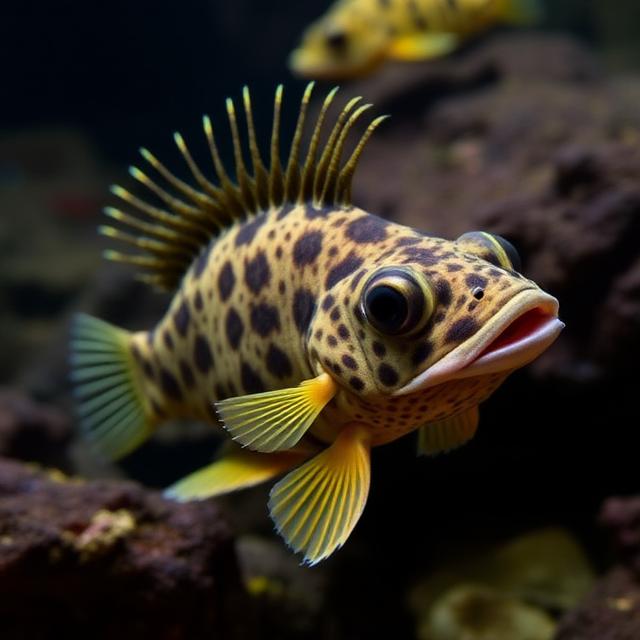
Bristlenose Pleco 391
Jun
The Bristlenose Pleco 391 (L144/Specialty Varieties): A Comprehensive Guide to Rare & Specialty Loricariids
https://en.wikipedia.org/wiki/Fish
For the dedicated aquarist, the quest for the perfect centerpiece fish often leads away from the common store-bought species and into the fascinating world of specialty Loricariids. Among these, the Bristlenose Pleco (Ancistrus sp.) stands as a testament to how breeding, genetics, and selective line-breeding can transform a functional “cleanup crew” member into a sought-after aesthetic masterpiece.
Whether you are looking for the striking contrast of the L144 Blue-Eyed Lemon Bristlenose or the intricate patterns of a specialty-bred longfin variant, these fish offer a captivating blend of utility, personality, and rare beauty. This guide provides an in-depth exploration of the care, genetics, and husbandry required for these premium-grade specialty Bristlenose Plecos.
1. Understanding the Specialty Bristlenose Pleco 391
The standard “common” Bristlenose is a staple of the freshwater hobby, but the “Specialty” segment encompasses fish that have been line-bred for specific traits. When we talk about “Rare & Specialty” in the context of the L144 or premium Ancistrus, we are referring to:
- L144 (Blue-Eyed Lemon): The holy grail for many breeders. True L144s are not albino; they possess a bright yellow coloration with deep, striking blue eyes. Unlike albinos, they are not sight-impaired and have a robust hardiness.
- Longfin Variants: Selective breeding has produced individuals with flowing, veil-like fins that turn a standard Pleco into an aquatic showpiece.
- High-Grade Spotted or Super Red: These are bred for maximum color saturation or specific, intense spot patterning that is rarely found in commercial-grade stock.
Why Invest in Specialty Plecos?
Unlike wild-caught species that may struggle to acclimate, line-bred specialty Bristlenose are frequently “tank-raised.” This makes them highly adaptable to standard tap water parameters, more disease-resistant, and already accustomed to prepared dry foods.
2. Setting Up the Perfect Habitat Bristlenose Pleco 391
To see these fish thrive—and to witness the development of their signature “bristles” (odontodes)—you must provide an environment that mimics their natural riverine habitats while catering to their captive needs.
Tank Requirements Bristlenose Pleco 391
- Minimum Volume: For a single adult pair, a 20-gallon long aquarium is recommended. If you plan on a small colony, a 40-gallon breeder is the gold standard, providing ample footprint for territory establishment.
- Filtration: Bristlenose Plecos are “messy” eaters. High biological output means you need robust filtration. A canister filter or a heavy-duty hang-on-back (HOB) filter is essential.
- Flow: While they don’t require the intense rapids of a Hillstream Loach, specialty Ancistrus enjoy moderate oxygenation and water movement. Bristlenose Pleco 391
The Essential “Driftwood” Factor
You cannot keep a Bristlenose Pleco successfully without real driftwood. These fish are xylivores; they need the cellulose found in decaying wood to aid their digestion. Furthermore, driftwood provides the tannins and the complex surface area they use to graze on biofilm.
3. Water Parameters and Stability
Specialty Bristlenose are exceptionally hardy, but they reward stable conditions with faster growth and more vibrant coloration.
- Temperature: 74°F – 80°F (23°C – 27°C).
- pH: 6.5 – 7.6. They are quite adaptable, provided the pH remains stable and does not fluctuate drastically during water changes. Bristlenose Pleco 391
- Water Hardness (dGH): Soft to moderate. They tend to do very well in standard community tank conditions.
Pro-Tip: Frequent, light water changes (20-30% weekly) are superior to massive, infrequent intervals. Specialty breeders often use RO/DI water remineralized to target a specific TDS (Total Dissolved Solids) of around 150-250 ppm. Bristlenose Pleco 391
4. Diet: Nutrition for Color and Growth
The “common” mistake is assuming these fish live solely on algae. While they are scavengers, a healthy, thriving specialty Pleco requires a varied diet.
The Three Pillars of Pleco Nutrition Bristlenose Pleco 391
- High-Quality Sinking Wafers: Look for brands that list spirulina, kelp, or fish meal as the primary ingredient, not “wheat flour.”
- Fresh Vegetables: This is the secret to healthy growth. Blanched zucchini, cucumber, shelled peas, and sweet potato are favorites. Always remove uneaten veggies after 24 hours to prevent ammonia spikes.
- Protein Boosts: Once or twice a week, provide high-protein frozen foods like Mysis shrimp, brine shrimp, or bloodworms. This is especially important for growing juveniles. Bristlenose Pleco 391
5. Sexing and Behavior
One of the most fascinating aspects of owning a Bristlenose is the sex-based dimorphism.
- Males: In specialty varieties, males will grow significant, branching “antlers” or tentacles on their snout. They are generally more territorial and will claim a “cave” as their primary residence.
- Females: Females usually develop smaller or no bristles at all. In some strains, you may see thin, light bristles around the edge of the mouth, but they are significantly less impressive than the males.
Temperament: These fish are peaceful, community-oriented, and generally shy. They rarely bother other fish, though males may engage in minor “face-offs” if two males inhabit the same cave territory.
6. Breeding: The Hobbyist’s Reward
Breeding specialty Bristlenose is incredibly rewarding. If you have a healthy male and female, they are often considered “the rabbit of the aquarium world.” Bristlenose Pleco 391
- The Cave: The male will claim a tight, cylindrical cave. If the female is ready, she will enter the cave to lay her eggs.
- The Guard: Once fertilized, the male will banish the female and take over parenting duties. He will fan the eggs with his fins for 5–10 days until they hatch.
- The Wrigglers: After hatching, the fry will survive on their yolk sacs for a few days. Once they have absorbed the sack, they become free-swimming.
- Feeding the Fry: Feed them small amounts of blanched zucchini and powdered growth pellets. Because they stay at the bottom, ensure the food reaches them before being swept into the filter. Bristlenose Pleco 391
7. Why Quality Matters: Ethical Sourcing
When purchasing “Rare & Specialty” fish, you are investing in a genetic lineage. It is vital to source your Bristlenose from reputable breeders rather than mass-market wholesalers. Bristlenose Pleco 391
Mass-produced Plecos are often raised in overcrowded ponds, leading to stunted growth, poor fin development, and internal parasites. Specialty breeders focus on:
- Genetic Diversity: Avoiding inbreeding depression.
- Color Purity: Ensuring that the L144 yellow is vibrant and the eyes are properly blue, not “washed out.” Bristlenose Pleco 391
- Health Certifications: Ensuring the stock is free from common Loricariid parasites.
8. Troubleshooting Common Issues
Even with prime genetics, you may face common challenges:
- Hollow Bellies: If a Pleco has a concave stomach, it is usually a sign of internal parasites or starvation. Treat with a high-quality dewormer and ensure they have enough biofilm/algae.
- Fin Rot: Often caused by poor water quality. In longfin varieties, this can happen quickly. Keep nitrates below 20ppm, and keep the substrate clean.
- Lethargy: If your Pleco is not moving or browsing, check the temperature and oxygen levels. Plecos are sensitive to low oxygen during the nighttime hours.
Conclusion: The Crown Jewel of Your Aquarium
The Bristlenose Pleco is more than just a functional aquatic inhabitant. When you select a high-quality specialty variant—whether it is the neon yellow of the L144 or the elegant flow of a Longfin Super Red—you are adding a living work of art to your home.
By providing the right diet, the essential driftwood, and stable water parameters, you will be rewarded with a fish that lives for years, breeds readily, and constantly surprises you with its intricate behaviors and unique personality.
Ready to level up your aquarium? Explore our current availability of professional-grade Bristlenose Plecos today and bring home a specimen that stands out from the rest of the school.
Disclaimer: All specialty Plecos are sensitive to sudden changes in water chemistry. Always drip-acclimate new arrivals for at least 45 minutes to ensure a successful transition into their new home. Bristlenose Pleco 391
https://ethgo.click/category/post
