
Post
9 Harlequin Rasbora
Jun
The Jewel of the Planted Tank: Why Every Aquarist Needs Harlequin Rasboras
If you were to walk into the home of a dedicated aquarium hobbyist, peer into their tank, and see a shimmering flash of copper and black darting in perfect unison through a forest of lush green plants, you have likely just discovered the Harlequin Rasbora.
Often overlooked by beginners who gravitate toward flashier, aggressive species, the Harlequin Rasbora (Trigonostigma heteromorpha) is a masterclass in quiet elegance. At just $3.29 for a pack of six, they represent one of the best “bang-for-your-buck” investments in the hobby. But their value goes far beyond their price tag—they bring a sense of harmony, movement, and natural beauty that few other species can replicate.
https://en.wikipedia.org/wiki/Harlequin_rasbora
In this guide, we’re going to dive deep into why this small, triangular-marked wonder deserves a prime spot in your aquarium.
What Makes the Harlequin Rasbora So Special?
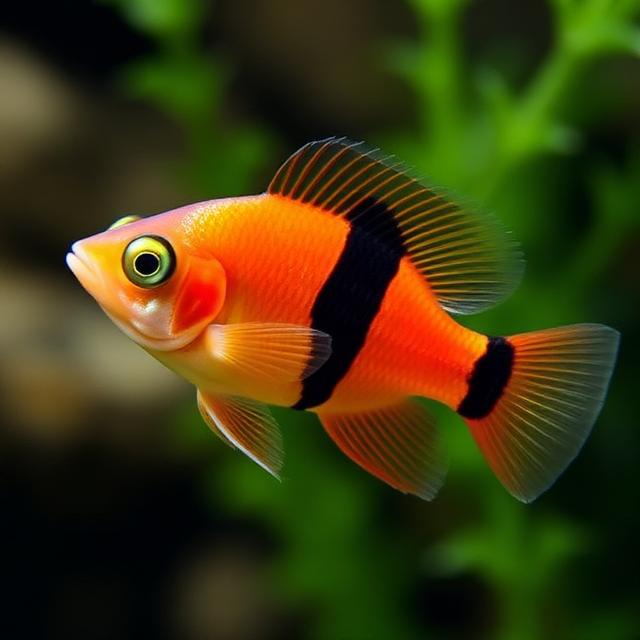
The Harlequin Rasbora is instantly recognizable, yet it never gets old to look at. The namesake “harlequin” pattern is a striking black triangular patch located on the rear half of their bodies, which contrasts sharply with a body that shimmers with shades of copper, gold, and orange. When the light hits them correctly, these fish seem to glow, adding a warm, autumnal aesthetic to any underwater environment.
The Beauty of Schooling Behavior
The true magic of the Harlequin Rasbora isn’t just in their individual appearance—it’s in their collective intelligence. Unlike some fish that only school when stressed or threatened, Harlequin Rasboras are constant, social creatures.
When you keep them in groups (we recommend 8–12 or more), they form a cohesive unit. They move through the water column like a choreographed dance troupe. This schooling behavior provides a sense of “natural rhythm” to the aquarium. If you have ever felt that your planted tank was a bit “still” or lacked life, adding a school of Rasboras is the perfect solution. They command the mid-water regions of the tank, turning a stagnant, beautiful display into a living, breathing ecosystem.
Setting the Stage: Perfecting the Environment
Harlequin Rasboras are relatively hardy, making them suitable for intermediate keepers and even ambitious beginners. However, to truly see them thrive—and to see those colors really pop—you need to understand their natural preferences.
https://ethgo.click/category/post
1. The Power of Plants
The Rasbora is a “biotope” fish. In the wild, they are found in the soft, dark waters of Southeast Asia, often amidst dense vegetation and tree roots. Consequently, they feel most secure when their aquarium mimics this.
Planting: They thrive in planted aquariums. Use a mix of stem plants, ferns, and floating plants. Floating plants, in particular, are excellent for dimming the light to the “subdued” levels they prefer.
Substrate: They look best against a dark-colored substrate. Dark soil or black sand makes the copper-orange hue of their bodies stand out significantly more than it would against light-colored gravel.
2. Water Chemistry and Lighting
While these fish are resilient, they are happiest in water that is slightly acidic and soft. Don’t worry if your tap water isn’t perfect; as long as you keep up with consistent water changes and avoid wild fluctuations in chemistry, they will adapt well.
The key here is lighting. Harsh, bright, direct lighting can stress these fish, causing them to wash out and hide. Use LED lights with dimmable features or use tall plants to create “shaded zones” where the Rasboras can retreat if they feel exposed.
3. Tank Size Versatility
One of the most frequent questions we get is, “Can I keep them in a nano tank?” The answer is a resounding yes. Because they are small and active, they don’t require massive swimming spans like larger tetras or barbs. A 10-gallon tank can comfortably house a small school, while a 20-gallon long or larger is even better, as it allows for a more impressive school of 15–20 fish.
Care and Nutrition: Keeping Them Healthy
A healthy fish is a colorful fish. The Harlequin Rasbora is a low-maintenance species, but that doesn’t mean you can neglect their nutritional needs.
Feeding Strategies
In their natural habitat, these fish are opportunistic omnivores, feeding on tiny insects, crustaceans, and plant matter. To mimic this in the tank:
Small Pellets: High-quality, micro-sized pellets are essential. Because they have small mouths, large flakes are often ignored until they sink to the bottom (where they can foul your water).
Live/Frozen Supplementation: Treat your Rasboras to baby brine shrimp or micro worms once or twice a week. Not only does this encourage natural hunting behavior, but the extra protein and lipids will make their colors more vibrant.
Grazing: They will occasionally pick at biofilm or fine algae on plant leaves, which is a great sign of a healthy, natural setup.
Why They Are the Ultimate Community Fish
If you are building a community tank, you have to be careful about temperament. Many popular fish are “nippy” or territorial. Not the Harlequin.
They are exceptionally peaceful. They ignore other tank mates, focusing purely on their school. This makes them the perfect companions for:
Dwarf Cichlids: Such as Apistogramma or Rams.
Corydoras: Since the Rasboras occupy the middle layer and Corys occupy the bottom, they never compete for territory.
Shrimp/Snails: They generally leave small invertebrates alone, making them ideal for a “nature aquarium” style setup with Amanos or Neocaridina shrimp.
The Verdict: Why Buy Today?
At just $3.29 for a pack of six, there is almost no other fish in the aquarium trade that offers this level of visual reward for such a low cost.
Whether you are a seasoned aquascaper looking to add a “finishing touch” to your latest layout, or a newcomer looking for your first set of schooling fish, the Harlequin Rasbora is the gold standard. They are sturdy, they are stunning, and they are peaceful. They take the stress out of fishkeeping and replace it with the soothing sight of nature in motion.
Quick Tips for Success:
Acclimatization: Always drip-acclimate these fish for at least 30–60 minutes to adjust them to your tank’s pH and temperature.
Schooling Density: If you can, aim for more than 10. You will notice that in larger groups, they are significantly more confident and active.
Maintenance: Keep up with your weekly 20% water changes. Even though they are hardy, they appreciate clean, oxygenated water.
Ready to start your school? Bring a touch of the Southeast Asian tropics into your living room. The Harlequin Rasbora is waiting to transform your aquarium into a masterpiece.
Interested in starting your own school? Click here to order your Harlequin Rasboras and start building the planted tank of your dreams today.
