
Post
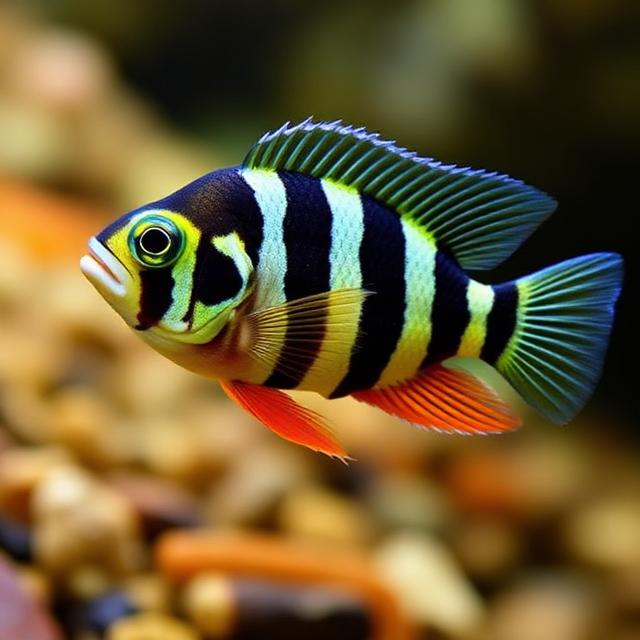
24 Dwarf Cichlid (Apistogramma)
Jun
The Tiny Titans of the Planted Tank: A Deep Dive into Dwarf Cichlids (Genus Apistogramma)
https://en.wikipedia.org/wiki/Apistogramma
Price: $24.99 (per pair, typical starter pack)
Source: Specialty aquarium retailer / reputable online fish dealer
If you’ve ever walked past a lush, heavily‑planted aquarium and felt a pang of envy at the way the foliage swayed under the watchful eyes of a graceful, colorful fish, you’re not alone. The aquarium hobby has long been dominated by the flamboyant jaw‑dropping displays of large African rift‑lake cichlids or the sleek, silver schools of tetras. Yet, an understated group of fish has been quietly stealing the spotlight: the dwarf cichlids of the genus Apistogramma.
These miniature marvels combine the drama of “big‑cichlid” behavior with a size that fits comfortably into most home aquariums. In this post we’ll explore everything you need to know about Apistogramma – from their natural history and striking appearance to the practicalities of tank setup, feeding, breeding, and long‑term care. By the end, you’ll understand why a single pair (or a small colony) can become the centerpiece of a truly living, breathing aquarium ecosystem.
1. What Makes Apistogramma Unique? Dwarf Cichlid (Apistogramma)
1.1. A Brief Taxonomic Overview
Apistogramma belongs to the family Cichlidae, subfamily Cichlinae, and is native to the slow‑moving streams, floodplain lakes, and leaf‑laden margins of the Amazon Basin, the Orinoco River, and adjacent tributaries. To date, more than 90 species have been formally described, with several cryptic forms still awaiting scientific recognition.
1.2. Size Matters – But Not the Way You Think
Most dwarf cichlids max out at 2–4 inches (5–10 cm) in total length. That means you can keep a true‑breeding pair in a 20‑gal (75‑L) tank and still have ample swimming space for plants, décor, and a few compatible tankmates. Their compact size also translates into a lower bioload compared with a 12‑inch African cichlid, making water‑quality management far more forgiving for the novice hobbyist.
1.3. Coloration: A Palette of Evolutionary Art
One of the most compelling reasons people fall in love with Apistogramma is their vivid breeding coloration. Males typically turn the tables during courtship, displaying a kaleidoscope of blues, reds, oranges, and yellows that can be dramatically brighter than any other cichlid of comparable size. Females, while more subdued, often exhibit subtle patterns that become more pronounced as they mature.
1.4. Social Structure: Complex Yet Captivating
Apistogramma are inherently social, but their social hierarchy is nuanced. In the wild, they live in loose colonies where a dominant pair oversees a small “harem” of juveniles. This dynamic translates into fascinating in‑tank behavior – from elaborate courtship dances and “stone‑turning” rituals to vigilant brood‑guarding, which can be observed for weeks on end.
https://ethgo.click/category/post
2. Setting the Stage: The Ideal Planted Aquarium
2.1. Tank Size & Layout
- Minimum Recommended Volume: 20 gal (75 L) for a breeding pair.
- Optimal Dimensions: Long horizontal tanks (e.g., 30×12×12 in) give the fish a comfortable swimming corridor while allowing a dense planting zone along the back or sides.
- Territorial Zones: Provide at least three distinct “micro‑habitats” – a rocky/sheltered area, a densely planted area, and an open swimming space. Dwarf cichlids use caves and overhangs for spawning; without them, they may become stressed and refuse to breed.
2.2. Substrate
A substrate that mimics their natural environment does wonders for both health and breeding performance.
- Base Layer: Fine‑grained sand (½‑inch particle size) – it allows the fish to sift and forage as they would in leaf‑laden riverbeds.
- Top Layer: A mix of laterite or iron‑rich clay (2‑3 mm) encourages natural coloration and provides essential trace minerals.
- Optional: Add a thin layer of dried leaf litter (e.g., Indian almond leaves or Catappa leaves) for tannin release, pH buffering, and a source of beneficial microorganisms.
2.3. Hardscape – Rocks, Roots & Caves
- Driftwood: Pieces of Malaysian driftwood or Mopani wood create natural overhangs and release tannins that lower pH slightly – a condition many Apistogramma species prefer.
- Caves & Crevices: Small porcelain caves, drilled PVC pipes, or stacked slate tiles give the male a spawning site. Aim for a cavity entrance no larger than ½ the fish’s body length.
- Rocks: Use flat‑shelf or river‑rock arrangements mimicking natural riverbanks. Avoid sharp edges that can injure delicate fins.
2.4. Plant Selection
Dense, soft‑leafed plants are favorites. They not only provide hiding places for fry but also absorb excess nutrients, helping to maintain water quality. Good choices include:
| Plant | Light Requirement | Why It Works |
|---|---|---|
| Java Fern (Microsorum pteropus) | Low‑medium | Attaches to wood, thrives on low flow |
| Anubias spp. | Low | Tough leaves offer shelter for fry |
| Amazon Sword (Echinodorus amazonicus) | Medium | Tall foliage mimics canopy, adds vertical depth |
| Cryptocoryne spp. | Low‑medium | Forms dense mats, tolerates soft water |
| Floating Velas or Hornwort | Low | Provides surface cover, reduces stress |
2.5. Water Parameters – “The Sweet Spot”
| Parameter | Target Range | Reason |
|---|---|---|
| Temperature | 75–80 °F (24–27 °C) | Matches tropical stream habitats |
| pH | 5.5–7.0 (slightly acidic) | Many species from black‑water streams |
| GH (General Hardness) | 3–8 dGH | Soft to moderately hard water |
| KH (Carbonate Hardness) | ≤ 4 dKH | Keeps alkalinity low, stabilizes pH |
| Ammonia/Nitrite | 0 ppm | Toxic to all life stages |
| Nitrate | < 20 ppm | Low levels help prevent algae overgrowth |
Tip: A small dose of blackwater extract (or a few leaves of Indian almond) can gently lower both pH and GH, replicating the fish’s natural environment. Monitor parameters weekly, especially during the first few months as the tank cycles.
3. Nutrition: Feeding the Tiny Titans
3.1. A Balanced Diet is Critical for Color & Breeding Success
- Protein‑Rich Foods: Apistogramma thrive on a diet of high‑quality frozen or live foods (bloodworms, daphnia, brine shrimp). Aim for 2–3 feedings per week of live/frozen to stimulate natural hunting behavior.
- Pelleted & Flake Options: Choose cichlid‑specific pellets (1–2 mm) or micro‑granules that sink slowly. Look for formulations that include spirulina, krill meal, and natural color enhancers (carotenoids).
- Vegetable Matter: Substitute 10–15 % of the diet with blanched spinach, zucchini, or spirulina flakes. This helps prevent constipation—a common problem in small, carnivorous species.
3.2. Feeding Schedule
| Time of Day | Food Type | Portion |
|---|---|---|
| Morning | High‑protein (e.g., frozen bloodworms) | 2–3 small pieces per fish |
| Mid‑day | Sinking pellets (1‑2 pellets) | As much as they can consume in 2 minutes |
| Evening | Vegetable supplement (e.g., crushed algae wafers) | Small pinch |
Important: Remove uneaten food after 5 minutes to avoid water quality spikes. Over‑feeding is a common pitfall that leads to excess nitrate, algae blooms, and even obesity in dwarf cichlids.
4. Community Compatibility: Who Can You Tank With?
One of the greatest advantages of dwarf cichlids is their peaceful yet territorial nature, which gives them a niche that many other fish cannot fill. Below are groups that generally coexist well:
| Compatible Species | Reason |
|---|---|
| Small Tetras (e.g., Ember, Neon) | Peaceful, occupy upper water column |
| Bottom Dwellers (e.g., Corydoras, small Loricariids) | Use different strata, minimal competition |
| Other Dwarf Cichlids (different Apistogramma species) | Can share tank if introduced simultaneously and given ample territories |
| Rasboras (e.g., Harlequin) | Fast swimming, non‑aggressive |
| Small Shrimp (e.g., Cherry Shrimp) | Benefit from the algae‑eating habits; watch for male predation if fry are present |
Avoid: Larger, aggressive cichlids (e.g., Oscar, Severum), aggressive territorial species (e.g., Convict Cichlid), large catfish (e.g., Plecos over 6 in), and overly active or nipping fish (e.g., Tiger Barbs).
5. Breeding Dwarf Cichlids – A Step‑by‑Step Guide
5.1. Recognizing the “Breeding Pair”
- Males: Intensified coloration, broader dorsal fin, and frequent “flaring” (raising fins while circling).
- Females: Rounder abdomen as they fill with eggs; become more protective and may change to a slightly lighter hue.
5.2. Conditioning the Pair
- High‑Protein Diet: Offer live foods daily for 2 weeks.
- Temperature Spike: Raise temperature by 2 °F (≈1 °C) for 48 hours to mimic rainy‑season spawning cues.
- Water Softening: Slightly lower GH/KH with occasional water changes using aged, soft water.
5.3. The Spawning Process
- Site Preparation: The male selects a cave (or creates one by rearranging rocks) and begins “cleaning” it with gentle fin taps.
- Courtship Display: The male swims in tight circles, showing his colors, while the female approaches cautiously.
- Spawning: The pair rises together into the cave, where the female lays 20–80 adhesive eggs (species‑dependent).
- Fertilization: The male releases milt, coating each egg. Within minutes the pair will begin guarding the site.
5.4. Parental Care
- Egg Incubation: 2–5 days, depending on temperature. The eggs are transparent at first, then turn golden or orange as embryos develop.
- Fry Development: Upon hatching, the fry remain attached to the ceiling of the cave, feeding off their yolk sac for 24–48 hours.
- Feeding Fry: Introduce infusoria (rotifers or commercially prepared fry food) after yolk absorption. A “baby brine shrimp” (Microworms or newly hatched brine shrimp) feed works exceptionally well.
5.5. Managing Fry Survival
- Separate Rearing: While Apistogramma are dedicated parents, in a community tank predatory shrimp or larger tankmates may still prey on fry. A common practice is to move the breeding pair to a dedicated 10‑gal “rearing tank” after spawning.
- Water Quality: Keep nitrate under 10 ppm; perform 25 % water changes daily for the first week.
- Grow‑Out: Gradually increase the fry’s diet to include crushed flakes and finely minced frozen foods as they grow.
5.6. Common Breeding Problems & Solutions
| Issue | Possible Cause | Remedy |
|---|---|---|
| Eggs turning white/rotting | Poor water quality (high ammonia/nitrite) | Perform immediate partial water change, verify filtration |
| Males abandoning the cave | Overcrowding or inadequate hiding spots | Provide additional caves, reduce tankmates |
| Fry not thriving | Inadequate feeding (infusoria culture fails) | Start a fresh culture of Paramecium or use commercial liquid fry feed |
| Territorial aggression | Two males in a small tank | Keep only one male per tank or increase tank size ≥30 gal |
6. Health & Disease Management
6.1. Common Ailments
- Ich (White Spot Disease): Small white cysts that appear on fins and body; treat with copper‑based medication or formalin.
- Velvet (Oodinium): Gold‑dust coating; raise temperature to 82 °F (28 °C) and treat with copper or malachite green.
- Fin Rot: Caused by bacterial infection; isolate affected fish, increase water flow, and treat with antibiotics (e.g., erythromycin).
6.2. Preventive Measures
- Quarantine New Arrivals: 4–6 weeks in a separate tank; monitor for signs of disease before introducing to the main display.
- Maintain Stable Parameters: Fluctuations in temperature or pH are major stressors. Use a reliable heater and a pH‑stable substrate.
- Avoid Over‑Feeding: Excess nutrients fuel bacterial blooms that can compromise fish health.
7. Long‑Term Care: Keeping Your Dwarf Cichlids Happy for Years
7.1. Routine Maintenance Schedule
| Frequency | Task |
|---|---|
| Weekly | Test water parameters (pH, GH, KH, nitrate). Trim dead plant leaves. |
| Bi‑weekly | 25 % water change with aged soft water. Vacuum substrate lightly. |
| Monthly | Clean filter media (rinse in tank water). Replace any worn décor or root pieces. |
| Quarterly | Rearrange rocks/roots to introduce new territories (stimulates natural behavior). |
7.2. Aging and Color Retention
- Dietary Color Boosters: Add natural sources of carotenoids (e.g., spirulina, dried shrimp flakes) to maintain vibrant hues.
- Lighting: Provide a balanced spectrum (6500 K) with a photoperiod of 10–12 hours – enough to support plant growth but not so intense that it stresses the fish.
- Social Dynamics: As fish age, males may become less aggressive, allowing for safe introduction of an additional pair if tank size permits. However, monitor closely for signs of stress or bullying.
7.3. When to Upgrade Your Setup
- Population Growth: If breeding yields a sizable fry population (15+ juveniles), consider moving one pair to a new 30‑gal tank to keep density manageable.
- Parameter Drift: Should GH/KH gradually rise due to tap‑water hardness, invest in a reverse‑osmosis (RO) system or a water‑softening filter to maintain optimal conditions.
- Advanced Planting: As your aquascaping skills improve, you may want to transition to a “nature aquarium” style—dense, low‑light plants, driftwood arches, and a re‑created black‑water stream. This environment is perfect for Apistogramma and can increase their lifespan to 5–7 years, sometimes longer.
8. Frequently Asked Questions (FAQ)
Q1: How many dwarf cichlids can I keep in a 20‑gal tank?
A: A single breeding pair plus a small group of juvenile fry (≤5) works well. You can also add a few non‑aggressive schooling fish (e.g., 6–8 neon tetras) as long as you maintain adequate hiding spots.
Q2: Do dwarf cichlids need a heater?
A: Yes. Stable tropical temperatures (75–80 °F) are crucial for metabolism and immune function. A reliable, submersible heater with an adjustable thermostat is a must.
Q3: Can I keep multiple Apistogramma species together?
A: It’s possible if the tank is large enough (≥30 gal) and each species has its own territory. Choose species with similar water‑parameter requirements to avoid stress.
Q4: How often should I feed live foods?
A: 2–3 times per week is sufficient. Feeding live foods daily can lead to over‑nutrition and water quality issues.
Q5: Are dwarf cichlids suitable for beginners?
A: Absolutely—if you’re willing to invest in decent filtration, maintain stable water parameters, and provide proper décor. Their small size, modest bioload, and captivating behavior make them an ideal “gateway” species into the world of cichlids.
9. Why Paying $24.99 for a Pair Is Worth Every Cent
When you look at the price tag—$24.99 for a pair—you might think it’s just another inexpensive fish. But consider what you’re actually purchasing:
| Aspect | Value Delivered |
|---|---|
| Colorful, Dynamic Beauty | A living work of art that transforms the ambiance of any room. |
| Behavioral Drama | Courtship dances, territorial defense, and parental care that rival much larger cichlids. |
| Educational Experience | Ideal for learning about fish biology, water chemistry, and responsible aquarium keeping. |
| Breeding Potential | One pair can produce dozens of fry, giving you a self‑sustaining hobby (or a chance to share with friends). |
| Longevity | With proper care, these fish can thrive for 5‑7 years—well beyond the lifespan of many ornamental species. |
| Low Bioload | Small tank requirements mean lower electricity costs (no massive filtration or heating). |
| Community Compatibility | Coexists peacefully with many other popular aquarium inhabitants. |
In short, the modest purchase price unlocks a universe of aesthetic, educational, and ecological reward that far outweighs the cost.
10. Final Thoughts: Your Journey with Apistogramma Starts Now
Dwarf cichlids of the Apistogramma genus are more than just “cute little fish.” They are miniature ambassadors of the Amazon’s bewildering biodiversity, embodying the same bold personalities, vibrant colors, and sophisticated social dynamics as their larger cousins. By setting up a soft‑water, heavily‑planted aquarium, providing appropriate nutrition, and respecting their natural behaviors, you can create a thriving micro‑ecosystem that dazzles the eye and engages the mind.
Whether you are a first‑time aquarist looking for a manageable yet captivating species, or a seasoned hobbyist seeking to add depth and intrigue to an established planted tank, Apistogramma should rank high on your wish list. With a price point of $24.99 per pair, they are an affordable gateway to the rich world of cichlid keeping—one that rewards patience, observation, and a love for the natural world.
Ready to bring a pair of dwarf cichlids home? Check with reputable local fish stores or trusted online retailers, and be sure to ask about the specific species they have available. Each species—be it A. agassizii, A. cacatuoides, or the fiery A. sp. “Red Spot”—has its own quirks and color story, waiting for you to discover it.
Remember: success in the aquarium hobby is built on knowledge, consistency, and an appreciation for the tiny marvels that swim within your glass walls. Let the dwarf cichlids become the heartbeats of your planted tank, and watch as they turn a simple aquarium into a living painting of Amazonian wonder.
Happy fish‑keeping! 🌿🐠✨
