
Post
16 Freshwater Stingray (Potamotrygon)
Jun
The Majestic Freshwater Stingray: A Guide to Keeping the Ocean’s Most Exotic Resident Freshwater Stingray (Potamotrygon)
https://en.wikipedia.org/wiki/Potamotrygonidae
When most people think of stingrays, they envision the vast blue expanse of the ocean or the shallow, sandy shores of tropical beaches. However, for the dedicated and adventurous aquarist, the stingray is not just a seaside spectacle—it is the crown jewel of the home aquarium. Among these, the Freshwater Stingray (Potamotrygon) stands alone as a creature of unparalleled grace, mystery, and beauty.
If you are an advanced hobbyist looking to push the boundaries of your aquatic collection, the Potamotrygon is the ultimate challenge. Priced at $299.99 for a specimen, these fish represent a significant investment in both capital and care. But for those who take the plunge, the reward is an underwater experience that feels less like keeping fish and more like housing a living, breathing piece of art.
What Makes the Potamotrygon So Special? Freshwater Stingray (Potamotrygon)
The Freshwater Stingray is not your typical community fish. It is a prehistoric-looking marvel that has evolved to thrive in the river basins of South America. Its flattened, disc-like body is perfectly adapted for life at the bottom of the world’s great rivers, allowing it to glide effortlessly over sand and bury itself when resting or hunting.
1. The Aesthetic Appeal
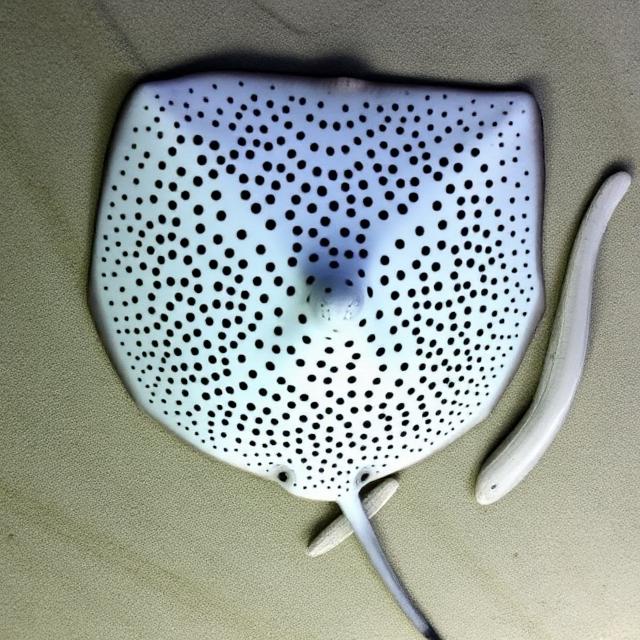
The most immediate draw of the Potamotrygon is its visual impact. These fish feature some of the most intricate patterns in the natural world. From swirling, labyrinth-like designs to bold, contrasted spots that look like constellations scattered across a dark canvas, no two rays are exactly alike. When they hover just above your substrate, rippling their edges like silk moving through water, they provide a visual rhythm that is hypnotic and serene.
2. Fascinating Behavior
Observing a stingray is a masterclass in aquatic behavior. Unlike darting tetras or schooling barbs, the stingray is deliberate, intelligent, and surprisingly interactive. They are curious creatures. As they grow, many keepers report that their rays learn to recognize their owners, often approaching the glass during feeding time or when they sense movement in the room. Watching them hunt—using their pectoral fins to create suction that unearths prey from the sand—is a testament to their evolutionary genius.
https://ethgo.click/category/post
3. A Presence Like No Other
Size matters in the aquarium world, and the Freshwater Stingray brings an impressive, commanding presence to any room. When you walk into a room with a 200+ gallon tank housing a healthy, thriving Potamotrygon, the tank immediately becomes the focal point. They are the “gentle giants” of the freshwater hobby, exuding a quiet confidence that demands respect from everyone who gazes upon them.
The Commitment: Why Only for Advanced Aquarists?
It is vital to state that the Freshwater Stingray is not a beginner’s fish. At $299.99, the specimen is an investment, but the true cost lies in the infrastructure required to keep them healthy. Before you bring a Potamotrygon home, you must prepare for the specific, rigid demands of this species.
https://ethgo.click/category/post
The Tank: Size is Everything
The most common mistake prospective owners make is underestimating the space requirements. These fish do not just grow; they thrive in proportion to the footprint of their environment. You should look at a minimum of 180 to 240 gallons for a juvenile, with many hobbyists eventually upgrading to custom-built pools or tanks nearing 500 gallons for adults. Because they are bottom-dwellers, the surface area of the tank floor is significantly more important than the height.
Substrate: Softness is Key
In the wild, Potamotrygon glide over silty riverbeds. In your aquarium, they require a fine, soft sand substrate. Avoid jagged gravel or rough stones at all costs, as these can easily scrape the delicate underside of the ray, leading to infections. A fine, nutrient-neutral sand allows the ray to perform its natural burying behavior without damaging its tender skin.
Filtration: The High-Octane Requirement
Stingrays are prolific waste producers. Because they are carnivores with high metabolic rates, they consume high-protein diets and produce a massive amount of Nitrogenous waste. To keep a stingray, your filtration system must be top-tier. We are talking about oversized canister filters, large-scale sumps, and frequent water changes. A stingray will not tolerate poor water quality; if your nitrates spike, the ray will be the first fish to show signs of stress.
Nutrition: Feeding Your Ray
The diet of a freshwater stingray is a fascinating subject. As apex predators of the river bottom, they are primarily carnivorous. In a captive setting, a varied diet is essential to maintain their intricate coloration and robust health.
- Live Foods: Earthworms, ghost shrimp, and blackworms are excellent staples to stimulate their natural foraging instincts.
- Frozen Foods: High-quality frozen krill, market shrimp, and scallops are often accepted once they settle into their new home.
- Prepared Diets: While some rays can be transitioned to high-quality carnivore pellets, it is best to treat these as a supplement to a diet that mimics their natural intake.
The Human Element: Safety and Interaction
While freshwater stingrays are generally docile, they do possess a barb on their tail. In the wild, this is a defensive weapon used to fend off threats. In your tank, you must exercise caution during maintenance. While you are not at high risk if you respect the animal, you should always be aware of the ray’s position when performing water changes or rearranging decor. Never try to pick up a stingray by hand; use a large, soft-mesh net or a dedicated transport container if movement is necessary.
Is the Potamotrygon Right for You?
Owning a Freshwater Stingray is a transformative experience. It changes the way you view the hobby. It pushes you to master water chemistry, to refine your filtration setups, and to develop a deep, quiet patience while observing a creature that has remained virtually unchanged since the age of the dinosaurs.
If you are an aquarist who has already mastered the basics—if you know how to manage nitrate cycles, balance water parameters, and design a stable ecosystem—then the Potamotrygon is the next logical step in your journey.
This is not a fish you buy to “complete” a tank. This is a fish you build your life around. You don’t just keep a stingray; you curate an environment for a prehistoric king. If you have the space, the dedication, and the passion to meet their needs, the interaction you will have with this animal will be one of the most rewarding experiences of your life.
Ready to take the leap? The Potamotrygon is ready to bring the majesty of the rainforest’s hidden depths right into your living room. With proper care, they can live for many years, becoming a long-term companion that you never tire of watching.
Quick Care Checklist for Your Stingray:
- Tank Size: Minimum 180-240 gallons (Focus on floor space).
- Substrate: Fine, soft sand (No sharp edges).
- Filtration: 10x turnover rate per hour; oversized sumps are recommended.
- Diet: High-protein variety (Worms, shrimp, crustaceans).
- Water Parameters: Stable temperature between 75°F and 82°F; pH 6.5–7.5.
- Patience: These fish appreciate a stable, low-stress environment.
Invest in the best equipment, do your research, and prepare for a rewarding journey into the world of one of the planet’s most magnificent freshwater species. The Freshwater Stingray is waiting to turn your aquarium into a masterpiece.
