
Post
28 Otocinclus Catfish
Jun
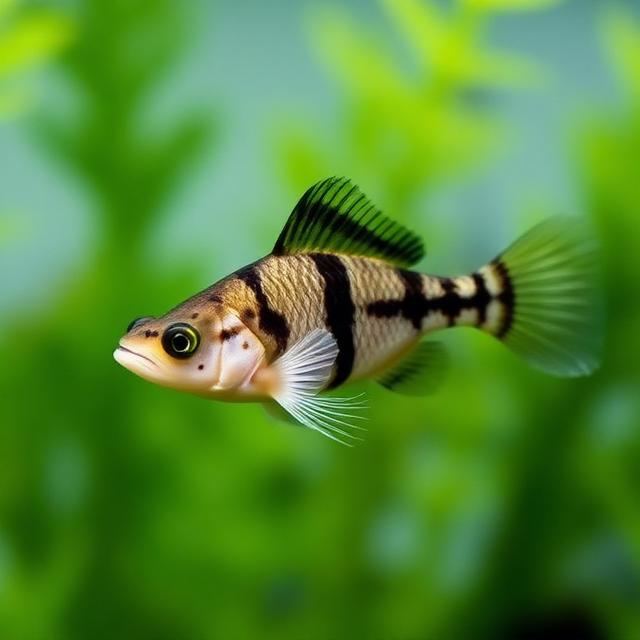
The Tiny Algae‑Aces of the Planted Aquarium: A Deep Dive into Otocinclus Catfish
https://en.wikipedia.org/wiki/Otocinclus
Price: $5.99 (Pack of 6) – a bargain that can transform the look and health of a planted tank.
If you’ve ever stood before a lush, “jungle‑like” aquascape only to notice the faint, green film that clings to glass and leaf surfaces, you know the frustration of trying to keep algae in check without sacrificing the delicate plants you’ve worked so hard to nurture. Enter the Otocinclus catfish—affectionately nicknamed “Otos.” These diminutive, peaceful bottom‑dwellers are arguably the most reliable, safe, and cost‑effective algae eaters available for community and nano‑tanks alike.
In this post we’ll explore everything an aquarium hobbyist—whether a rookie or a seasoned aquascaper—needs to know about Otocinclus catfish. From biology and natural habitat, through detailed husbandry, to troubleshooting common problems, you’ll walk away with a comprehensive toolbox that lets you integrate Otos confidently into your planted aquarium. Let’s get started.
1. Who Are the Otocinclus? A Quick Biological Overview
| Feature | Details |
|---|---|
| Scientific family | Loricariidae (the armored catfish family) |
| Genus | Otocinclus – about 20 described species (e.g., O. affinis, O. huaorani, O. vittatus) |
| Native range | Slow‑moving tributaries of the Amazon, Orinoco, and Paraguay river basins in South America |
| Typical size | 1–2 inches (2.5–5 cm) adult length; most species stay under 1.5 inches |
| Lifespan | 3–5 years in a well‑maintained aquarium; some hobbyists report up to 7 years |
| Diet | Primarily periphyton, biofilm, and soft algae (diatoms, filamentous green algae) |
| Temperament | Shy, schooling, peaceful – they thrive when kept in groups of six or more |
The armored plates that run along their backs give Otos a sturdy, almost invincible appearance—an adaptation to the fast‑flowing, debris‑laden streams of their native habitats. Their suction‑cup mouth is exquisitely designed to scrape microscopic algae off surfaces without damaging fragile plant leaves, a quality that makes them indispensable for planted tanks.
2. Why Otocinclus are the “Best and Safest Algae Eaters” for Planted Set‑Ups
If you’ve tried other algae‑eating fish (bristlenose plecos, Siamese algae eaters, or even the infamous Corydoras in high‑growth tanks), you may have experienced some of the following drawbacks:
- Size and Space: Adult plecos can grow 8–12 inches, demanding huge water volumes and robust filtration.
- Plant Damage: Some algae eaters graze indiscriminately, nibbling tender leaves or even uprooting plants while foraging.
- Aggression: Larger, more territorial species may bully community fish, especially shy tetras or dwarf gouramis.
- Maintenance: Certain algae eaters have high bioloads and produce copious waste, requiring frequent water changes.
Otos tick all the boxes that make them “the safest”:
| Aspect | How Otos Excel |
|---|---|
| Size | At 1–2 inches, they fit comfortably in nano‑tanks (as small as 5‑10 gallons) while remaining unobtrusive. |
| Feeding precision | Their mouth is tailored to scrape biofilm from glass and plant leaves without tearing tissue. |
| Peaceful nature | They are non‑aggressive, making them ideal companions for dwarf shrimp, small tetras, and other community dwellers. |
| Low bioload | Small size translates to modest waste production; a packed aquarium with proper filtration won’t be overloaded. |
| Hardiness | When acclimated correctly, they tolerate a wide range of water parameters (see §4). |
In short, an Otocinclus catfish pack for $5.99 gives you six miniature custodians that will silently patrol the aquarium surfaces, keeping the glass crystal‑clear and plant leaves pristine—without jeopardizing the ecosystem you’ve cultivated.
https://ethgo.click/category/post
3. The Economics of the Pack: Getting Six Oto‑Champions for Under $6
Most fish retailers sell Otocinclus individually or in tiny groups of two to three, often at $2–$3 per fish. The Pack of 6 for $5.99 is not merely a price‑point gimmick; it reflects a biologically sound stocking density.
Why six?
- Schooling behavior – Otos are a schooling species; they become less stressed and more active when surrounded by conspecifics.
- Algae‑eating capacity – A single Oto can process roughly 0.5–1% of the tank’s total biofilm per day. In a 10‑gallon tank, six of them can efficiently keep up with moderate algae growth.
- Reduced mortality – In the wild, they rarely exist alone. Providing a group mimics their natural environment, dramatically lowering the risk of disease or “barrenness” (a condition where solitary fish lose appetite).
Therefore, by purchasing the $5.99 bundle, you receive a complete functional unit that works out‑of‑the‑box as soon as it’s acclimated—no need for extra trips to the store.
4. Water Parameter Checklist – The “Oto‑Friendly” Baseline
Below is a practical parameter table you can paste on the side of your aquarium or keep in a notebook.
| Parameter | Ideal Range | Why It Matters for Otos |
|---|---|---|
| Temperature | 72–78 °F (22–26 °C) | Mirrors Amazonian tributaries; extremes cause stress and immunosuppression. |
| pH | 6.5–7.5 (soft to slightly acidic) | Otos thrive in slightly acidic water; high pH can reduce appetite. |
| GH (General Hardness) | 3–8 dGH | Soft to moderately hard water supports the growth of periphyton, their primary food source. |
| KH (Carbonate Hardness) | 1–4 dKH | Low carbonate hardness helps maintain stable pH; spikes can cause shock. |
| Ammonia (NH₃/NH₄⁺) | 0 ppm | Ammonia is toxic; Otos are especially sensitive because they constantly graze on surfaces. |
| Nitrite (NO₂⁻) | 0 ppm | Even low nitrite can cause respiratory distress. |
| Nitrate (NO₃⁻) | <20 ppm (ideally <10 ppm) | Higher nitrates encourage filamentous algae, but periphyton remains the primary food. |
| Water Flow | Gentle to moderate (2–3 cm/s) | Simulates their natural stream environment; too much flow makes feeding difficult, too little leads to stagnant biofilm that can foster undesirable algae. |
| Lighting | Moderate (4–6 hrs of LED or T5) | Sufficient to encourage periphyton growth without sparking rampant green algae. |
Acclimation tip: Use a drip acclimation or slow‑fill bag method for at least 30–45 minutes to gradually equalise temperature and chemistry. Sudden shifts in pH or hardness are the top culprits for Oto shock.
5. Setting Up a Habitat Where Otos Thrive
5.1. Substrate & Hardscape
- Fine‑grained sand or fine‑gravel (no larger than 2 mm) allows biofilm to develop on tiny particles.
- Driftwood & leaf litter (Myrica, Indian almond) – natural debris offers a surface for periphyton and provides hiding places.
- Smooth rocks or polished ceramic – avoid rough surfaces that can harbor harmful parasites.
5.2. Plant Selection
When choosing plants for a tank that houses Otos, keep a few principles in mind:
- Leafy species with fine foliage – Java fern, Anubias nana, Bolbitis heudelotii, Cryptocoryne wendtii. These provide ample surface area for periphyton while tolerating gentle grazing.
- Rooted plants with sturdy stems – Rotala rotundifolia, Hygrophila, Ludwigia. Their robust stems can withstand any occasional nipping, though Otos typically avoid chewing.
- Mosses – Java moss and Christmas moss are excellent micro‑habitats; they harbor microscopic algae which Otos love to scrape.
5.3. Lighting
A moderate LED spectrum (6500 K) set on a 10–12 hour photoperiod is optimal. Over‑lighting drives excessive green algae that can overwhelm Otos, while under‑lighting limits periphyton production and leaves the Oto’s nutritionally starved.
5.4. Filtration
A sponge filter or hang‑on filter with a gentle flow (adjustable to ≤3 cm/s) works wonderfully. Sponge filters also provide a bio‑film refuge—tiny microorganisms that Otos will gladly snack on. Keep the mechanical intake fine enough to avoid sucking up the tiny fry or shrimp.
5.5. Tankmates – Who Gets Along with Otos?
| Category | Good Companions | Reason |
|---|---|---|
| Small peaceful tetras | Neon tetras, Ember tetras | Non‑aggressive, occupy mid‑water. |
| Dwarf shrimp | Cherry shrimp, Crystal Red shrimp | Shrimp clean debris; Oto’s presence won’t stress them. |
| Other catfish (tiny) | Corydoras pygmaeus | Similar water needs, occupy different niche (bottom detritus). |
| Small rasboras | Danios, Rasbora | Fast‑moving, ignore Otos, fill upper layers. |
| Snails | Nerite, Ramshorn | Add extra algae clean-up, complementary. |
Avoid large, territorial fish (e.g., Cichlids, Betta spp. in small tanks) that may harass or outcompete the Otos for food.
6. Feeding Otocinclus – The Balance Between “Let Them Graze” and “Add Supplemental Food”
6.1. Primary Food Source: Periphyton & Biofilm
In a thriving, mature planted aquarium, periphyton—the thin film of algae, bacteria, and detritus that naturally coats surfaces—is abundant enough to sustain a small school of Otos. The fish will spend most of their day grazing on glass, plant leaves, driftwood, and substrate.
Tip: Avoid cleaning the glass or plant leaves with abrasive pads. Instead, use algae-scrubbing magnets that gently remove excess thick algae while leaving a thin coating intact for the Otos. This ensures they always have a natural buffet.
6.2. Supplemental Feeding
Even the best‑kept tanks can experience periods of low periphyton (e.g., after a heavy water change or after a new tank is cycling). To avoid starvation:
| Food | How to Offer | Frequency |
|---|---|---|
| Spinach (blanched) | Drop small flakes on the glass; Otos will scrape them; remove excess within 5 min. | 2–3 times weekly (especially during initial weeks). |
| Algae wafers (e.g., Schindler or API “Algae Wafers”) | Place a single wafer on a tiny tile or behind a leaf; Otos will nibble. | 1–2 times a week. |
| Daphnia or Microworms (for fry) | Pin a few onto a leaf or small sponge; fry will patrol. | As needed for young. |
| Vegetable “bio‑film” sheets (commercially available) | Float a thin sheet… | Optional. |
Do not overfeed. Excess floating food rapidly attracts undesirable algae (filamentous, blue‑green) and can foul the water.
6.3. Feeding Schedule
- First two weeks: Feed supplemental algae wafers twice a week + a light spinach flake once a week while the tank’s natural biofilm builds up.
- After month 1: Transition to “graze only” – feed only if water tests show nitrate <5 ppm and the glass appears relatively clean.
- During breeding: Double up with live foods (brine shrimp nauplii) to encourage spawning.
7. Acclimation & Introduction – A Step‑by‑Step Guide
- Inspect the Transport Bag – Look for signs of stress: clamped fins, opaque skin, or excessive mucus. Healthy Otos will be active, with bright eyes.
- Float the Bag – Place the sealed bag on the tank surface for 15 minutes to equalize temperature.
- Drip Acclimation – Using a clean airline, drip tank water into the bag at 2 ml/min for 30‑45 minutes. This gently adjusts pH, GH, KH.
- Test Water Inside the Bag – If ammonia/nitrite spikes are present, do not add the fish; they need a fully cycled tank.
- Release – Open the bag near a plant leaf or driftwood, letting the fish scramble out. Avoid dumping the water (it can carry pathogens).
- Observe – During the first 24 hours, watch for active grazing. If any fish are lying motionless at the bottom, perform a soft water change (20%) and add a few drops of a water conditioner containing methylene blue (helps treat minor fungal infections).
Pro tip: Adding a couple of Myrica leaves or Indian almond leaves right after introduction not only offers hiding spots but also releases tannins that lower pH slightly— a welcome transition for many Otos.
8. Health, Disease, and Troubleshooting
8.1. Common Problems
| Symptom | Likely Cause | Remedy |
|---|---|---|
| Loss of appetite / not grazing | Inadequate periphyton, high nitrate, poor water quality, stress | Increase algae growth (reduce cleaning), lower nitrate with 20% water change, test water parameters, ensure proper acclimation. |
| White spots (Ich) | Parasite outbreak, often after stress or sudden temperature changes | Treat with formalin or copper‑based medication; raise temperature to 80°F (27°C) during treatment to accelerate life cycle. |
| Faded coloration, clamped fins | Low temperature, high ammonia/nitrite, poor oxygenation | Verify ammonia/nitrite = 0, increase filtration/ aeration, maintain temperature 74–78°F. |
| Curling tails or frayed fins | Bacterial infection, poor water quality | Perform a 25% water change, add a bacterial supplement (e.g., Seachem Stability), consider antibiotics if bacterial infection persists. |
| Sudden death | Toxins (chlorine, heavy metals) from tap water, severe ammonia spike | Always treat tap water with a reliable water conditioner; monitor ammonia after water changes. |
8.2. Prevention Checklist
- Cycle the tank fully (ammonia → nitrite → nitrate) before introducing Otos.
- Quarantine new fish for 2–3 weeks before adding to the main display.
- Maintain stable parameters; avoid abrupt temperature or pH shifts >2 units.
- Limit heavy cleaning of glass; let an algae film develop.
- Provide hiding places (plants, driftwood, leaf litter) to reduce stress.
9. Reproduction – Breeding Otocinclus in Home Aquariums
Breeding Otos is not impossible, but it does demand patience and a well‑established bio‑film environment.
Key requirements:
- Mature plants with soft leaves – Java fern, Cryptocoryne, and Anubias exposed to low‑moderate light.
- Soft water – GH 2–4 dGH, KH 1–3 dKH.
- Temperature – 75–78°F (24–26°C) – slightly higher than average.
- Plentiful micro‑algae – Allow a thin, fuzzy green film to develop on leaves; do not over‑scrape.
- Stimulating light cycles – 12 hours light/12 hours darkness can trigger spawning behavior.
Observing courtship:
- A male often positions himself beside a leaf and begins vibrating his fins while the female approaches and gently presses her vent towards the substrate.
- The pair may “dance” for several minutes, after which the female releases tiny, adhesive eggs (≈0.5 mm) onto the leaf surface.
Egg care:
- Eggs hatch in 3–5 days (temperature dependent).
- Fry are tiny and translucent, requiring infusoria or micro‑worm cultures for the first week.
- As they grow, transition them to blanched spinach or crushed algae wafers.
Because the fry are so small, they are highly vulnerable to predation. Keep them in a species‑only “breeder” tank or a well‑planted “refuge” where larger tankmates cannot reach them.
10. Frequently Asked Questions (FAQ)
Q1. Can I keep Otocinclus with shrimp?
Absolutely. Shrimp, especially Cherry and Amano, can coexist peacefully. In fact, shrimp help clean the tank, providing extra bio‑film for the Otos. Just avoid aggressive or predatory fish.
Q2. My tank has a lot of “green hair algae.” Will Otos eat it?
Otos primarily target soft periphyton and diatoms; they are not efficient at munching thick filamentous algae. For hair algae, combine Otos with Siamese algae eaters or nerite snails, and reduce excess nutrients (nitrate/phosphate) while increasing water flow.
Q3. I have a 5‑gallon nano tank—can I keep a pack of six Otos?
Yes, a 5‑gallon (≈19 L) tank is suitable, provided you maintain water quality, have ample live plants, and limit other fish. The small size of Otos makes them ideal for nano environments.
Q4. Do Otos need a “cover” or lid?
They are weak jumpers, so a tightly fitting lid (especially on nano tanks) helps prevent escapes.
Q5. Why do my Otos often hide near the filter?
The filter’s sponge and bio‑film host microorganisms, providing a secondary food source and a safe refuge from prying eyes.
11. Sustainability and Ethical Considerations
The wild capture of Otocinclus from the Amazon basin has raised concerns about over‑harvesting and habitat degradation. Many reputable wholesalers now rely on captive‑bred stocks, which reduces pressure on natural populations. When purchasing a pack of six for $5.99, ask the retailer:
- Origin – Is the stock captive‑bred or wild‑caught?
- Certification – Do they follow the Aquaculture Stewardship Council (ASC) guidelines?
- Transport Practices – Are the fish shipped in oxygen‑rich, temperature‑controlled containers?
Choosing captive‑bred Otos not only promotes sustainability but also yields healthier fish that are better adapted to aquarium conditions.
12. Wrap‑Up: The Bottom Line – Why Every Planted Aquarium Needs Otocinclus
- Cost‑effective – Six pristine little cleaners for under six dollars.
- Size‑friendly – Perfect for nano, mid‑size (10‑30 gal), and even larger planted tanks.
- Algae control – Natural, chemical‑free grooming of glass and leaf surfaces.
- Plant safety – No nibbling, no uprooting, no leaf‑tear damage.
- Peaceful community – Co‑habitates with shrimp, dwarf tetras, and most non‑aggressive fish.
In essence, Otocinclus catfish are the unsung custodians that let you focus on the artistry of aquascaping rather than the endless chore of scrubbing glass. By providing an environment that meets their modest needs—gentle flow, soft water, a modest algae buffet—you gain a reliable, low‑maintenance cleaning crew that enhances both the visual clarity and the biological stability of your aquarium.
If you’re ready to upgrade your planted tank to the next level of pristine beauty, click “add to cart,” welcome the Pack of 6 Otocinclus into your aquatic world, and watch as those tiny armored bodies glide across the glass, turning daily maintenance from a dreaded task into a satisfying, almost meditative, observation.
Pro‑Tip: After the first month, try a “glass‑scrub challenge.” Let the Otos graze undisturbed for three days, then gently wipe one side of the tank with a magnet. The next morning, you’ll likely see a visible trail of fresh algae where they’ve been at work—proof that your investment is paying off in real‑time.
Happy planting, happy swimming, and may your aquarium stay as clear as your intention to care for it!
