
Post
18 Red Belly Piranha
Jun
The Apex Predator of the Home Aquarium: A Deep Dive into the Red Belly Piranha
https://en.wikipedia.org/wiki/Red-bellied_piranha
When people think of the Amazon River, the image that almost instantly flashes in their minds is a cloud of silver scales and razor-sharp teeth: the Red Belly Piranha (Pygocentrus nattereri). For decades, Hollywood has painted them as mindless, flesh-eating frenzy machines. But for the serious aquarist, the Red Belly Piranha is something far more nuanced. It is a stunning, intelligent, and highly social creature that offers one of the most rewarding experiences in “monster fish” keeping.
If you are looking to graduate from community tanks to the high-stakes world of predatory fish, the Red Belly Piranha is the gold standard. At just $19.99, they are incredibly accessible, but don’t let the price tag fool you—they are a long-term commitment that requires respect, space, and a dedicated hand.
In this guide, we’ll explore what it truly takes to keep these iconic predators and why they remain the ultimate conversation piece for any aquarium enthusiast.
The Allure of the Red Belly: Why Keep Them? Red Belly Piranha
There is a certain “cool factor” that comes with keeping piranhas. It’s the thrill of watching a predator in its element. However, beyond the reputation, the Pygocentrus nattereri is a physically beautiful fish.
1. The Striking Aesthetics
https://ethgo.click/category/post
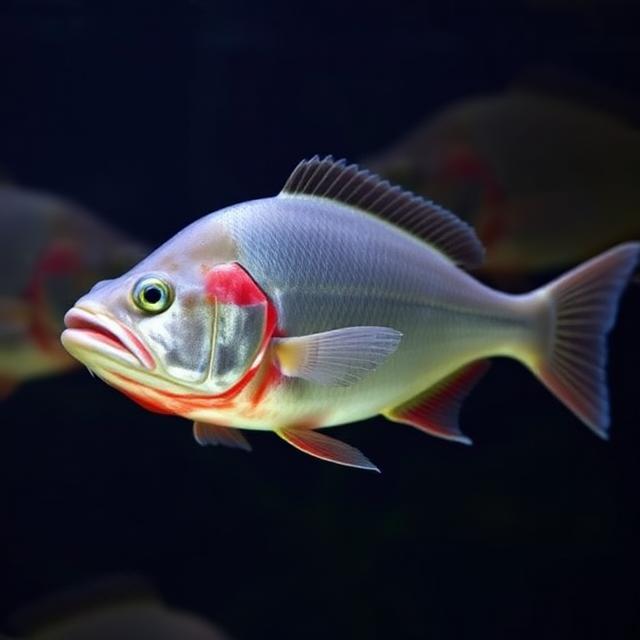
As the name suggests, the Red Belly Piranha features a vibrant, fiery-red coloration along its underside that contrasts sharply against its shimmering, silver-grey flanks. When kept under the right lighting in a well-planted or blackwater-style setup, their scales catch the light with a metallic brilliance that is hard to match in the freshwater hobby.
2. A Window into Predator Behavior
Unlike many aquarium fish that simply drift around, piranhas are observant. They are highly attuned to their environment. As an owner, you become a master of the hunt. Watching them track movement outside the glass or interact with one another in a shoal provides a fascinating look at the predatory instincts that have allowed this species to survive for millions of years.
3. The Shoaling Dynamic
Many beginners mistakenly believe piranhas are solitary killers. In reality, they are social animals. In the wild, they shoal for protection and to hunt more efficiently. Watching a group of six or more piranhas move in unison across a large tank is a mesmerizing experience that you simply cannot replicate with solitary monster fish.
Setting the Stage: The Requirements of a Predator 18 Red Belly Piranha
While a Red Belly Piranha might only cost you $19.99, the setup required to keep them healthy is a significant investment. These are not “set it and forget it” fish; they are high-metabolism, high-waste producers that demand a pristine environment.
The Tank Size
This is the single most important factor. Because they are active swimmers and live in groups, you cannot keep them in a small tank.
- Minimum Setup: For a small group of 5–6 juveniles, a 75-gallon tank is the absolute bare minimum.
- Long-Term Comfort: If you want to see them thrive into adulthood, you should aim for a 125-gallon tank or larger. They are messy eaters, and a larger water volume is essential for keeping ammonia and nitrate levels in check.
Filtration: The Powerhouse Approach
Piranhas produce a heavy bioload. Because they are predatory, their diet involves protein-rich foods, which can quickly foul the water if not managed properly. You need a robust filtration system—ideally a high-end canister filter or a large sump—that cycles the entire volume of the tank at least 5–8 times per hour.
Aquascaping the Amazonian Way
While they don’t require elaborate decor, providing a naturalistic environment reduces their stress levels.
- Substrate: Fine, dark-colored sand mimics the riverbeds of the Amazon and encourages natural rooting and digging behaviors.
- Planting: Hardy, low-light plants like Anubias or Java Fern can be used, though keep in mind that larger piranhas may occasionally uproot or nip at them.
- Hiding Spots: Use large driftwood branches to create “territories.” Even though they shoal, they still appreciate having a place to retreat to when they feel threatened.
Feeding the Beast: Nutrition and Safety
One of the highlights of keeping Red Belly Piranhas is feeding time. It is a spectacle, but it must be managed responsibly.
Diet
In the wild, these fish are opportunistic scavengers and predators. In the aquarium, you should provide a varied diet to ensure they get all the necessary nutrients:
- Frozen Foods: High-quality frozen krill, silversides, and shrimp are staples.
- Pellets: Many keepers successfully transition their piranhas to high-quality predatory pellets, which help maintain a balanced diet.
- Variety: Occasional treats like earthworms or feeder insects are excellent, but avoid live feeder goldfish. They are often diseased and lack the nutritional profile the piranhas need.
The “Safety First” Rule
Piranhas have sharp teeth and powerful jaws capable of delivering a nasty bite. While they are usually shy and will try to swim away from your hand, never reach into the tank during feeding time. Their predatory instincts are high, and in the excitement of a meal, they may mistake a finger for a snack. Always use long aquarium tongs for feeding and maintenance.
The Reality of “Monster Fish” Keeping
Before you commit to your first group of Red Bellies, it is important to understand the lifestyle.
They are Skittish
Despite their “killer” reputation, Red Belly Piranhas are actually quite timid. They are easily startled by sudden movements, loud noises, or vibrations near the tank. A stressed piranha will hide, lose its coloration, and may even refuse to eat. Patience is key; you must be a calm presence around their tank.
Water Quality is Non-Negotiable
Piranhas are sensitive to poor water conditions. You must perform regular water changes (at least 25–30% weekly) and keep a diligent eye on your water parameters. The, “monster fish” nickname doesn’t just refer to their size—it refers to the amount of work they require to keep the environment sparkling clean.
Temperament Between Tank Mates
Yes, they can be cannibalistic. If one fish in the shoal is injured or severely malnourished, the others may turn on it. This is why it is vital to keep them well-fed and ensure each fish has enough space to establish its own “personal bubble” within the shoal.
Is the Red Belly Piranha Right for You?
The Red Belly Piranha is a spectacular fish for the aquarist who has moved past the phase of keeping neon tetras and goldfish. It is a fish that rewards the diligent keeper with beauty, activity, and an insight into one of the most misunderstood predators on the planet.
You are a great candidate for these fish if:
- You have the space for a large tank (100+ gallons).
- You are dedicated to consistent maintenance and water quality.
- You enjoy the process of researching and creating a biome that mimics the Amazon.
- You represent a patient, observant owner who respects the fish’s predatory nature.
You should hold off if:
- You are limited on budget for high-quality filtration and tank equipment.
- You are looking for a fish you can handle or interact with frequently.
- You are unable to commit to the long lifespan (up to 10+ years) of these animals.
Conclusion: The Ultimate Trophy
At $19.99, the Red Belly Piranha offers an entry point into a world of big-fish keeping that is usually reserved for the extremely wealthy or the highly experienced. They are the apex predators of the aquarium hobby, bringing a raw, untamed energy to your living room.
If you are prepared to give them the space they deserve and the care they require, you will find that these “monsters” are not just beautiful to look at—they become an engaging part of your daily life. The Red Belly Piranha isn’t for everyone, but for those who choose to take on the challenge, it represents the pinnacle of freshwater aquarium keeping.
Are you ready to bring the Amazon home? Your shoal is waiting.
