
Post
6 Sailfin Molly Velifera
Jun
The Sailfin Molly Velifera: The Show‑Stopping, Algae‑Eating Livebearer Every Freshwater Hobbyist Needs
By – Professional Aquarist & Aquatic Content Creator
When you walk into a well‑kept community tank, the eye is often drawn first to the flashes of neon guppy, the shy glide of a platy, or the shimmering school of tetras. But there’s one fish that can instantly elevate the visual drama of any setup – the Sailfin Molly Velifera. Priced at a modest $6.99, this relatively affordable species packs a punch that many larger, more “exotic” fish simply cannot match. In this in‑depth guide we’ll explore everything you need to know about the Sail‑fin Molly: its natural history, striking morphology, water‑parameter preferences, tank setup, diet, breeding, and why it makes a perfect addition for both beginners and seasoned hobbyists.
https://en.wikipedia.org/wiki/Sailfin_molly
Quick‑look Summary
Scientific name: Poecilia latipinna (commonly known as the Sail‑fin Molly) – the brand name “Velifera” simply denotes the cultivated line that maximizes dorsal‑fin size and coloration.
Size: 12–15 cm (4.7–6 in) fully grown.
Lifespan: 3–5 years with proper care.
Tank size: 80 L (21 gal) minimum, larger is always better.
Temperament: Peaceful, active, schooling.
Water: Slightly brackish to hard alkaline (pH 7.5‑8.5, GH 12‑20 dGH).
Diet: Omnivorous – high‑quality flakes/pellets + vegetable matter + occasional protein.
1. Where Does the Sailfin Molly Come From?
The Sail‑fin Molly is native to the coastal lagoons, estuaries, and slow‑moving streams of Mexico, Belize, Guatemala, and parts of Central America. These habitats experience fluctuating salinity levels – fresh water suddenly mixing with brackish tidewater – and they are typically hard and alkaline thanks to the limestone geology of the region.
In the wild, Sail‑fin Molies thrive in shallow, vegetated margins where they can forage on soft algae, biofilm, and the occasional insect larva. Their natural environment explains two of their most beloved traits in the aquarium:
- Hardiness – they are used to handling rapid changes in salinity and temperature.
- Algae‑grazing ability – they have evolved to feed on soft, filamentous algae that often bloom on tank glass and plant leaves.
Understanding the fish’s natural backdrop gives you a solid foundation for recreating those conditions in your own aquarium.
https://ethgo.click/category/post
2. The “Sail” – Why the Dorsal Fin Is More Than Just a Pretty Feature
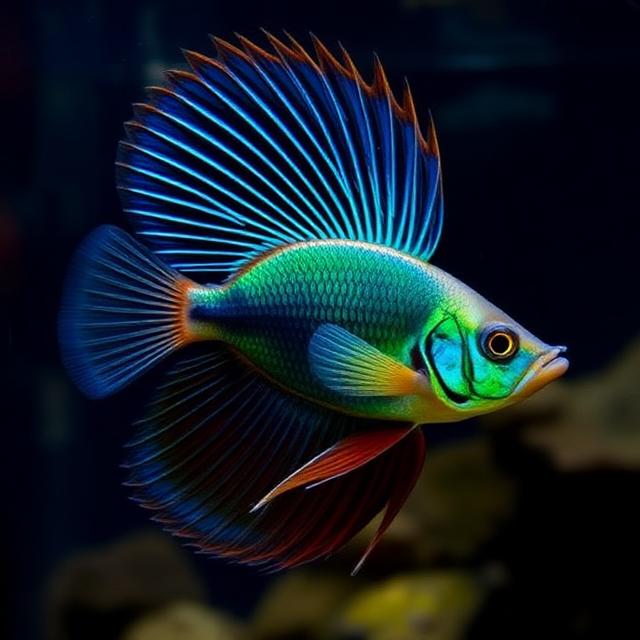
If you’ve ever seen a male Sail‑fin Molly in peak condition, the first thing that steals the spotlight is the giant, sail‑like dorsal fin that can actually rise as high as the fish’s own body length. This fin is not a decorative afterthought; it serves several subtle, but fascinating, biological purposes:
| Function | How It Works | Why It Matters for Hobbyists |
|---|---|---|
| Sexual display | Males flare the dorsal fin during courtship to signal fitness to females. | The larger the sail, the more “show‑off” value for the aquarium. |
| Territorial signaling | In the wild, an enlarged sail can deter rival males. | In community tanks, it rarely translates to aggression, keeping the fish peaceful. |
| Hydrodynamics | The fin acts like a stabilizer, allowing the mollies to make quick, precise turns while foraging. | Helps them navigate complex aquascapes and dense planting without bumping into décor. |
| Camouflage & Shade | The semi‑transparent fin can break up the fish’s silhouette, confusing predators. | Gives the fish an ethereal, “ghost‑like” appearance that mesmerizes viewers. |
For the aquarist, the dorsal fin becomes a visual focal point that adds vertical interest to a tank that might otherwise be dominated by horizontal schooling fish. The fin’s colors – a metallic blend of blues, greens, and oranges – become especially vivid under full‑spectrum LED lighting.
3. Setting Up the Perfect Home for Your Sailfin Molly
3.1 Tank Size & Layout
- Minimum volume: 80 L (≈21 gal). This gives each adult enough swimming room and allows a small school (3‑5 individuals) to exhibit natural schooling behavior.
- Ideal shape: Long rectangles or bow‑front tanks that provide uninterrupted horizontal swimming lanes.
- Height matters: Because the male’s dorsal fin can rise up to 12–15 cm, a tank with a minimum water depth of 30 cm (12 in) ensures the sail has space to fully open without touching the surface.
3.2 Substrate & Hardscape
- Fine‑gravel or sand mimics riverbeds and encourages biofilm growth, giving the fish natural grazing material.
- Rocks and driftwood: Use limestone or polished river rocks to add extra calcium, which helps maintain the desired hardness (GH). Provide crevices for shy fish to hide.
- Open water column: Keep large central areas free of excessive décor; Sail‑fin Molies love to cruise the middle of the tank.
3.3 Live Plants
Live plants are not just decoration; they serve multiple functions:
| Benefit | Plant Recommendation | Reason |
|---|---|---|
| Algae control | Java moss, Anubias nana, Cryptocoryne | Dense foliage traps soft algae for molies to graze. |
| Water quality | Floating lettuce, Hornwort | Absorb excess nutrients, stabilizing nitrate levels. |
| Cover & security | Amazon swords, Vallisneria | Offer tall vertical structure, complementing the molly’s own height. |
Use a moderate dosing of liquid carbon (e.g., Seachem Excel) to keep plants lush without encouraging fast‑growing filamentous algae that could overwhelm the tank.
3.4 Water Parameters – Replicating Their Brackish Roots
| Parameter | Ideal Range | How to Achieve |
|---|---|---|
| Temperature | 24‑28 °C (75‑82 °F) | Aquarium heater set to 25‑26 °C is a safe baseline. |
| pH | 7.5‑8.5 (alkaline) | Add crushed coral or a limestone buffer; test weekly. |
| General Hardness (GH) | 12‑20 dGH (≈214‑357 ppm CaCO₃) | Use a mineral supplement or add calcium carbonate rocks. |
| Salinity | Slightly brackish (0–5 ppt) optional | Dissolve a pinch of marine salt; many hobbyists keep them fully freshwater, but a tiny salt dose can improve health and coloration. |
| Ammonia/Nitrite | 0 ppm | Strong biofilter (canister or sponge) plus regular water changes. |
| Nitrate | <20 ppm | Weekly 20‑30 % water changes, live plants, and balanced feeding. |
Tip: Because Sail‑fin Molies tolerate a range, start with a hard, alkaline freshwater setup. Once they acclimate, you can experiment adding a modest amount of marine salt (½ tsp per 20 gal) to see if their colors become even more vibrant.
3.5 Filtration & Flow
A moderate water flow keeps the water well‑oxygenated and distributes nutrients evenly. A sponge filter offers gentle circulation without sucking up small fry, making it ideal for breeding tanks. Pair this with a canister or HOB filter for mechanical and biological filtration.
4. Feeding – A Balanced Menu for Optimal Color and Longevity
Sail‑fin Mollies are omnivores with a pronounced preference for plant matter, especially soft algae and biofilm. A varied diet not only keeps them healthy but also maximizes their metallic coloration.
| Food Type | Frequency | Portion |
|---|---|---|
| High‑quality flake/pellet (e.g., New Life Spectrum, Omega One) | Daily | 2‑3 pinch per fish; ensure they consume within 2‑3 min. |
| Vegetable matter – blanched zucchini, spinach, peas, or spirulina flakes | 3‑4 × week | Small bite‑size pieces, remove uneaten bits after 5 min. |
| Live/frozen foods – daphnia, bloodworms, brine shrimp | 1‑2 × week (as treat) | Great for boosting color, especially during breeding. |
| Algae wafers (e.g., API Algae Control) | 2‑3 × week | Helps keep soft filamentous algae in check. |
| Supplement – liquid veg‑booster (e.g., Seachem Phyto‑GRO) | Bi‑weekly | Encourages vibrant hues. |
Feeding etiquette: Offer small portions multiple times a day rather than one large feeding. This mimics their natural foraging behavior and reduces waste, which can lead to nitrate spikes.
5. Social Dynamics – Schooling, Compatibility, and Behavior
5.1 Schooling
While Sail‑fin Mollies are not as tightly schooling as tetras, they thrive in groups of three or more. In a group, the males will display their sails alternately, creating a dynamic visual rhythm that captivates viewers.
5.2 Compatibility
| Compatible Species | Reason for Compatibility |
|---|---|
| Guppies | Similar water parameters; both are livebearers that coexist peacefully. |
| Platies | Matching temperament and similar diet; they’ll share algae‑grazing duties. |
| Endler’s Livebearers | Small size and active swimming make them ideal tank mates. |
| Corydoras catfish | Bottom dwellers that clean the substrate while mollies patrol mid‑water. |
| Neon tetras (in larger tanks) | Add a burst of color; ensure tank is >100 L to prevent overcrowding. |
Avoid aggressive cichlids, large predatory barbs, and any fish that will nip at the delicate dorsal fin of a male (e.g., some loach species).
5.3 Peaceful Yet Active
Sail‑fin Mollies are temperamental neither shy nor overly aggressive. They’ll happily chase floating driftwood or play near the water surface, providing endless entertainment. Their active swimming also helps in circulating water, which can be beneficial for overall tank health.
6. Breeding – Bringing the “Velifera” Line to Life
One of the biggest draws of livebearers is the ease of breeding. Sail‑fin Mollies reproduce prolifically under the right conditions, and their offspring (fry) are relatively hardy.
6.1 Pre‑Breeding Setup
- Dedicated breeding tank – 40‑50 L with fine sand or mesh substrate; this prevents fry from being eaten.
- Plants – Dense floating plants (e.g., duckweed) or fine‑leafed stem plants (e.g., Cabomba) for fry to hide.
- Water parameters – Slightly warmer (26‑28 °C) and slightly more saline (2‑3 ppt) to stimulate spawning.
- Male‑to‑female ratio – 1 male to 2–3 females reduces stress on the female.
6.2 The Gestation
- Pregnancy lasts about 28‑30 days.
- Females will develop a gravid spot (a darkened area near the rear) that becomes more pronounced as fry develop.
- Live‑bearing: The female gives birth to 20‑80 fry per brood, depending on size and nutrition.
6.3 Fry Care
| Stage | Feeding | Water Maintenance |
|---|---|---|
| Newly born (0‑3 days) | Infusoria or commercial liquid fry food (e.g., Micropaque) | Daily 25 % water change. |
| Early fry (4‑10 days) | Newly hatched brine shrimp nauplii (twice daily) | Maintain temperature at 27 °C; gentle filtration. |
| Growing fry (2‑4 weeks) | Gradually introduce finely crushed flakes/pellets + finely sliced zucchini | Weekly 30 % water change; monitor for nitrate spikes. |
Tip: Use a breeder net or a fine‑mesh breeding box inside the main tank if you want to keep fry in the community setting but protect them from larger, fin‑nipping tank mates.
6.4 Selecting for the “Velifera” Trait
The Velifera line is cultivated for maximizing dorsal fin size and enhancing metallic coloration. When you have multiple young males, you can select the most promising individuals for further breeding:
- Fin size – Choose those with a dorsal fin that spreads broadly and reaches near the body’s height.
- Color intensity – Prioritize fish that display deep blues/greens with vivid orange highlights.
- Body shape – Look for a streamlined, healthy body without excessive fat deposits.
By breeding the best specimens over successive generations, you can maintain a robust, award‑winning “Velifera” stock in your own aquarium.
7. Common Health Issues & How to Tackle Them
| Problem | Symptoms | Prevention/Treatment |
|---|---|---|
| Ich (White Spot Disease) | Small white dots, scratching against objects | Quarantine new fish; raise temperature to 28 °C and treat with malachite green or formalin. |
| Fin rot | Frayed, discolored dorsal fin edges | Keep water parameters stable; treat with antibacterial medication (e.g., Maracyn). |
| Velvet (Oodinium) | Gold‑brown dusting on body | Increase water temperature to 27 °C; treat with copper‑based medication. |
| Swim bladder issues | Erratic swimming, trouble maintaining depth | Feed a high‑fiber diet (blanched pea); avoid overfeeding. |
| Gender confusion (female developing male traits) | Female exhibiting small dorsal fin growth | Usually hormonal; keep stress low, maintain proper water quality. |
Regular maintenance – weekly water testing, consistent water changes (20‑30 % per week), and a clean filter are the most effective preventive measures. If you ever notice a sudden change in behavior or appearance, act quickly; early intervention saves both the fish and your aquarium’s overall health.
8. The Bottom Line – Why the Sailfin Molly Velifera Deserves a Spot in Your Tank
- Show‑Stopping Aesthetics – The towering dorsal fin and metallic hues create a living sculpture that captures attention from any angle.
- Natural Algae Management – Their incessant grazing reduces the need for chemical algicides, giving you a more natural tank.
- Hardy, Adaptable, Beginner‑Friendly – Even novice hobbyists can keep them thriving with minimal fuss.
- Peaceful Community Player – They coexist peacefully with most community fish, adding vertical movement without aggression.
- Livebearing Breeder – Easy to breed, offering a rewarding experience for those who want to propagate their own “Velifera” line.
- Affordable Beauty – At $6.99, they deliver an eye‑catching presence without breaking the bank.
In short, the Sail‑fin Molly Velifera is the perfect blend of ornamental flair and functional utility—a true “best‑of‑both‑worlds” fish that can enhance both the visual appeal and ecological balance of your freshwater aquarium.
Frequently Asked Questions (FAQ)
Q: Do Sail‑fin Mollies truly need brackish water?
A: Not strictly. They are adaptable and will thrive in hard, alkaline freshwater. Adding a pinch of marine salt (½ tsp per 20 L) can boost coloration and health but is optional.
Q: How many Sail‑fin Mollies can I keep in a 100‑liter tank?
A: Aim for 4‑5 adults (a mix of males and females). Overcrowding can lead to stress and reduced water quality.
Q: Will the large dorsal fin be prone to damage?
A: In a peaceful community tank, the fin is rarely injured. Avoid housing them with fin‑nipping species (certain loaches or aggressive cichlids).
Q: Can I keep them with shrimp?
A: Yes, larger shrimp like Amano or Ghost shrimp usually coexist peacefully, though smaller dwarf shrimp may become prey for overly aggressive males.
Q: How often should I change the water?
A: 20‑30 % weekly water changes are ideal to keep nitrates low and maintain stable pH/alkalinity.
Final Thought
If you’re looking to add a dynamic focal point to your aquarium while also solving a common nuisance (soft algae), the Sail‑fin Molly Velifera is a stellar choice. Their charismatic sail‑fin, striking metallic colors, and easy‑going temperament make them a fitting centerpiece for any community tank—whether you’re a newcomer eager to learn or a seasoned aquarist seeking that next wow‑factor fish.
Ready to bring the sail of a living ocean into your freshwater haven? Grab a few Sail‑fin Mollies today (just $6.99 each), and watch your tank transform into a graceful underwater ballroom where every ripple of their dorsal fin tells a story of adaptation, beauty, and effortless elegance. Happy fish‑keeping!
References & Further Reading:
- Live Aquaria Magazine, “The Rise of Velifera Livebearers”, July 2023.
- Aquarium Fish Magazine, “Hard‑Water Livebearers: A Complete Care Guide”, 2022.
- World Aquatic Society, Freshwater Mollies – Natural History and Captive Care, 2021.
